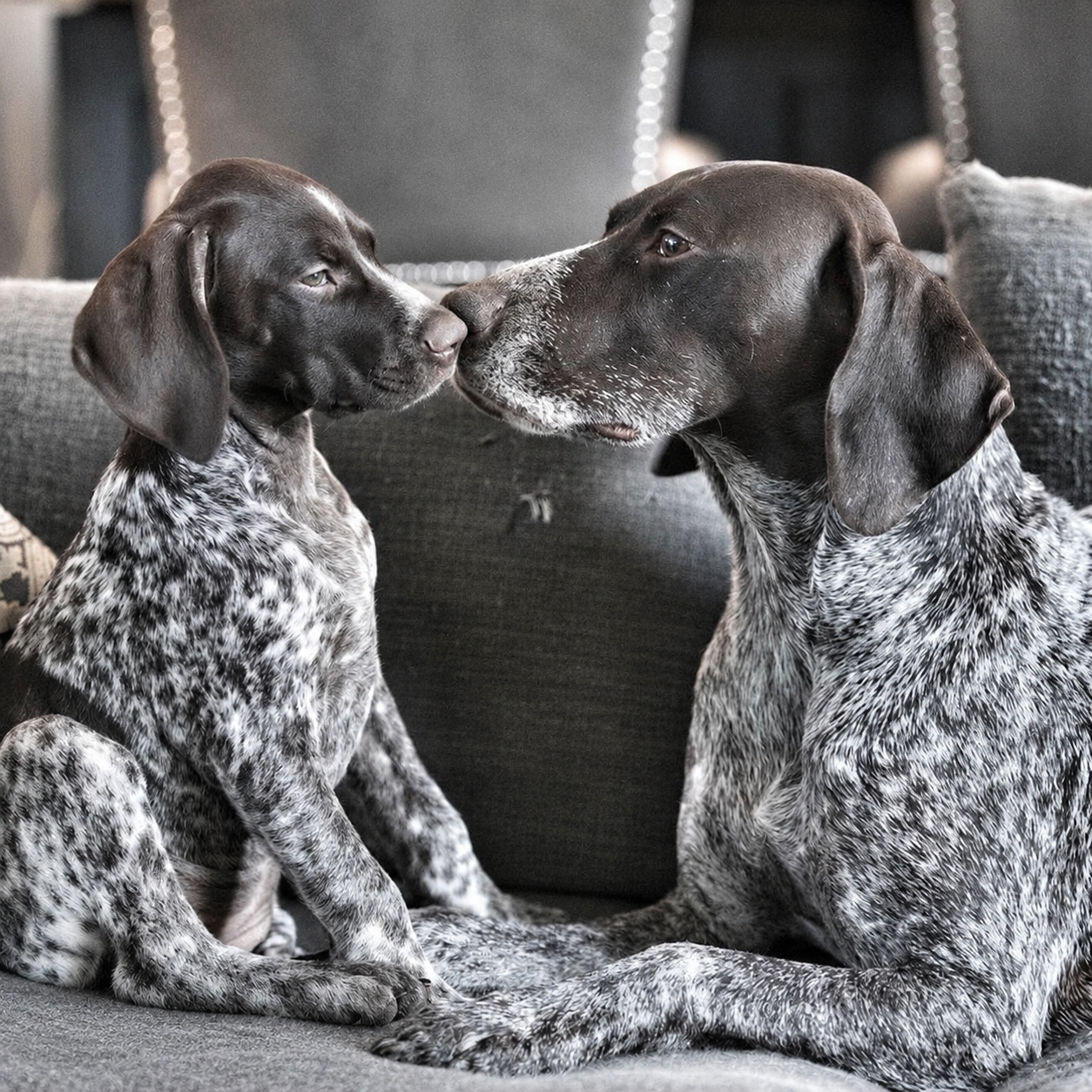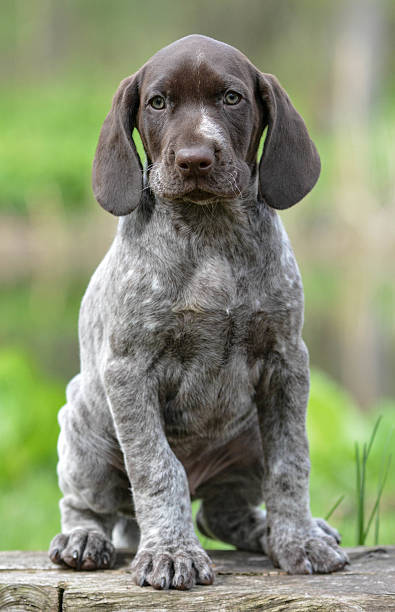
German Shorthaired Pointer Breed Overview
The German Shorthaired Pointer, commonly abbreviated as GSP, is a medium-to-large athletic dog developed for versatility, endurance and close cooperation with humans. Its balanced structure and enthusiastic temperament reflect generations of sporting breed development.
German Shorthaired Pointers are particularly well suited to owners who enjoy outdoor activities, structured training and meaningful interaction with their dogs.
| Breed Attribute | Description |
|---|---|
| Official Breed Name | German Shorthaired Pointer |
| Common Abbreviation | GSP |
| German Name | Deutsch Kurzhaar |
| Country of Origin | Germany |
| AKC Breed Group | Sporting Group |
| Original Purpose | Versatile hunting, pointing, tracking and retrieving |
| Breed Size | Medium to large |
| Adult Height | 21–25 inches (53–64 cm), depending on sex |
| Adult Weight | 45–70 lbs (20–32 kg), depending on sex |
| Life Expectancy | Approximately 10–12 years |
| Coat Type | Short, dense and close-fitting |
| Energy Level | High |
| Trainability | Generally high with consistent training |
| Grooming Requirements | Relatively low coat maintenance |
| Shedding | Regular, often moderate |
| Temperament | Intelligent, energetic, affectionate and responsive |
| Prey Drive | Often strong |
| Hypoallergenic | No |
| Ideal Household | Active, dedicated and prepared for daily engagement |
History & Origin of the German Shorthaired Pointer
The German Shorthaired Pointer originated through efforts to develop a versatile sporting dog capable of performing multiple hunting-related tasks rather than specializing in a single activity.
German breeders sought a dog combining reliable scenting abilities, physical endurance, natural pointing instincts, retrieving capabilities and responsiveness to human guidance. The exact ancestry is not fully documented, although various continental pointing and hunting dogs contributed to the breed's development.
Development of Pointing Dogs
European sporting dogs were developed to locate game through scent and indicate its presence through characteristic pointing behaviour.
Development of the Modern GSP
German breeding programmes increasingly emphasized versatility, cooperation, athletic structure and the ability to perform multiple sporting tasks.
Formal Breed Development
Breeding records, conformation standards and working evaluations helped establish more consistent breed characteristics.
Introduction to North America
German Shorthaired Pointers began reaching North America, where sporting enthusiasts appreciated their versatile working abilities.
International Recognition
Breed organizations, kennel clubs and sporting communities supported the development and preservation of the German Shorthaired Pointer.
A Versatile Sporting & Family Companion
Today, GSPs participate in field activities, canine sports, recreational exercise and active family life around the world.
Physical Appearance & Breed Structure
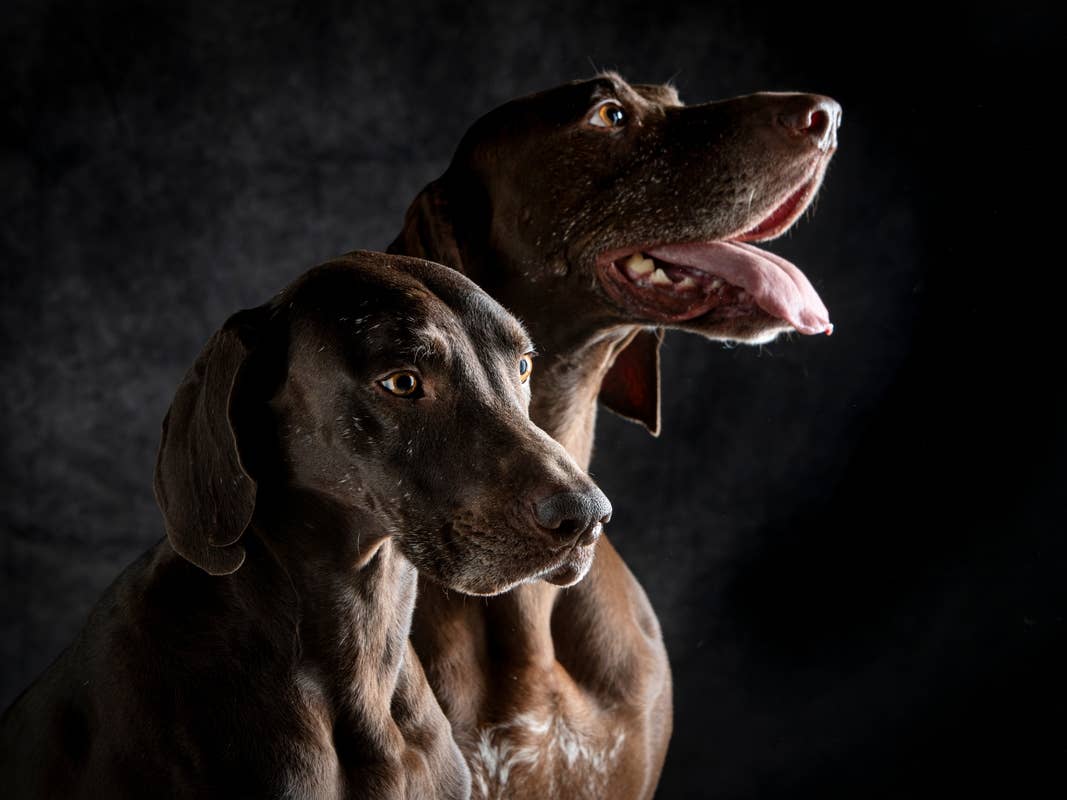
The German Shorthaired Pointer possesses an athletic, balanced appearance that reflects its original working purpose. Its physical structure combines strength, coordination, agility and endurance.
Head & Expression
A well-proportioned head and attentive expression contribute to the breed's distinctive, intelligent appearance.
Eyes
Expressive, generally brown eyes contribute to the characteristic alert and attentive expression.
Ears
Broad, hanging ears frame the head and require routine inspection, particularly following swimming or wet outdoor activities.
Body Structure
A muscular, athletic body with a deep chest and balanced proportions supports efficient movement and sporting performance.
Legs & Paws
Strong limbs and compact paws support movement across varied terrain, including outdoor environments and water.
Coat & Tail
The short, dense coat provides a distinctive streamlined appearance. Tail length may vary depending on local laws, breed traditions and individual circumstances.
German Shorthaired Pointer Size, Height & Weight
German Shorthaired Pointers generally exhibit differences in adult size between males and females. Individual dogs may vary according to genetics, development and overall physical condition.
Male German Shorthaired Pointer
Height: 23–25 inches (58–64 cm)
Weight: 55–70 lbs (25–32 kg)
Males are generally larger and may have a more substantial physical structure.
Female German Shorthaired Pointer
Height: 21–23 inches (53–58 cm)
Weight: 45–60 lbs (20–27 kg)
Females are generally smaller while retaining the breed's characteristic athletic structure.
Breed-standard weight ranges are not mandatory health targets for every dog. Body condition, muscle development and veterinary assessment are more useful indicators of appropriate individual weight.
German Shorthaired Pointer Coat Colours & Patterns
German Shorthaired Pointers are recognized for their distinctive short coats and attractive colour combinations. Common appearances include liver-based and black-based colouring, with solid, spotted, patched, ticked or roan patterns.
Solid Liver
A predominantly rich brown coat with minimal contrasting markings.
Liver & White
Brown and white areas distributed across the body in distinctive combinations.
Liver Roan
Intermixed brown and white hairs creating a blended coat appearance.
Solid Black
A predominantly black coat with a distinctive, streamlined appearance.
Black & White
Contrasting black and white markings that vary in distribution between dogs.
Black Roan
Intermixed black and white hairs producing a blended darker appearance.
The colour swatches above are illustrative approximations rather than exact representations of individual dog coats.
Understanding Common Coat Patterns
- Solid: A predominantly uniform coat colour.
- Patched: Larger areas of contrasting pigmentation.
- Ticked: Smaller pigmented spots distributed across white areas.
- Roan: A mixture of coloured and white hairs within particular coat areas.
Accepted colours and markings may differ between kennel clubs and registration organizations. Review the applicable breed standard when considering conformation showing or registration. Coat colour alone does not determine temperament, health or working ability.
German Shorthaired Pointer Temperament & Personality
German Shorthaired Pointers are commonly appreciated for their affectionate nature, intelligence and enthusiastic approach to everyday life. They often develop strong relationships with their families and enjoy participating in shared activities.
Affectionate
Many GSPs enjoy close human companionship and actively seek interaction with familiar members of their household.
Energetic
Their sporting heritage contributes to substantial physical activity requirements and an enthusiasm for outdoor exploration.
Intelligent
German Shorthaired Pointers often respond well to engaging training and opportunities to learn new activities.
Curious
Their natural scenting abilities and interest in the environment encourage exploration and investigation.
Loyal
Many individuals establish strong bonds with their owners and appreciate consistent companionship.
Enthusiastic
GSPs frequently approach play, exercise and sporting activities with considerable energy and engagement.
Breed tendencies describe common characteristics rather than guaranteed individual behaviour. Genetics, early experiences, socialization, training, health and environment influence each dog's personality.
German Shorthaired Pointer Breed Characteristics
The following profile provides a general visual introduction to characteristics commonly associated with German Shorthaired Pointers. These are editorial assessments, not scientific measurements or guarantees about individual dogs.
Intelligence, Learning Ability & Trainability
German Shorthaired Pointers are intelligent sporting dogs that often demonstrate considerable learning ability when training is consistent, rewarding and adapted to their individual temperament.
Their intelligence also means they can quickly develop unwanted habits when appropriate guidance, exercise and mental stimulation are lacking.
Effective Training Principles
- Begin gentle foundation training during puppyhood.
- Use positive reinforcement and suitable rewards.
- Maintain short, enjoyable training sessions.
- Introduce distractions gradually.
- Prioritize recall, leash manners and safe management.
- Provide regular mental enrichment.
- Encourage calm behaviour and independent relaxation.
- Maintain consistent household routines.
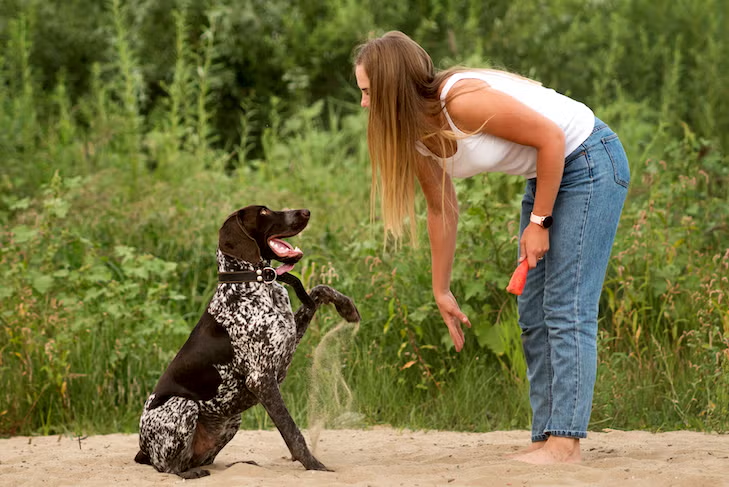
Discover practical training techniques in our complete German Shorthaired Pointer Training Guide .
Natural Sporting Abilities & Working Instincts
The versatility of the German Shorthaired Pointer distinguishes it from sporting breeds developed primarily for more specialized tasks.
Pointing
The breed is known for its instinctive tendency to pause and indicate the location of interesting scents.
Retrieving
Many German Shorthaired Pointers enjoy collecting and carrying appropriate objects, both on land and in water.
Scent Tracking
Their well-developed sense of smell supports scent discrimination, tracking and searching activities.
Swimming
Many individuals are comfortable in water when introduced gradually and provided with suitable supervision.
Endurance
Physically mature, conditioned GSPs can enjoy sustained outdoor activity when their fitness and health permit.
Canine Sports
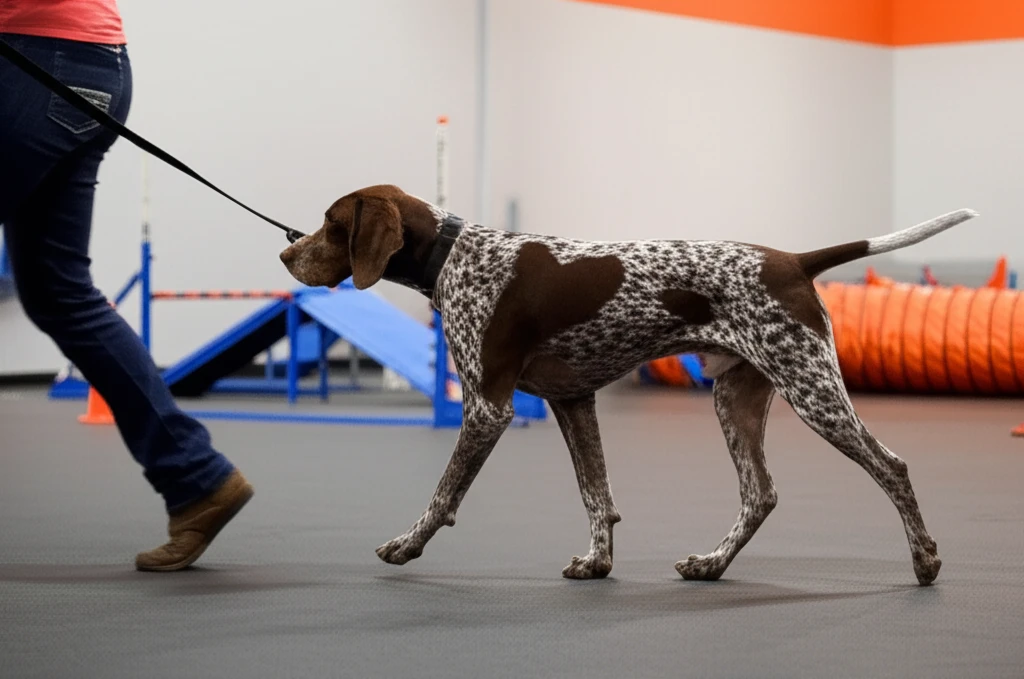
Suitable individuals may enjoy agility, tracking, obedience, scent work and other organized activities.
Are German Shorthaired Pointers Good Family Dogs?
German Shorthaired Pointers can make wonderful family companions when their physical, emotional and behavioural requirements are consistently met.
Their affectionate nature and enthusiasm for shared activities often complement households that enjoy outdoor recreation and spending meaningful time together.
Active Families
Households that enjoy walking, hiking, outdoor adventures and regular interaction may be particularly suitable.
Families With Young Children
Many GSPs enjoy family companionship, but their size and enthusiasm may accidentally overwhelm small children. Always supervise interactions.
Families With Other Dogs
Compatibility depends on individual temperament, previous experiences and carefully managed introductions.
Homes With Cats & Small Animals
Strong prey drive may create challenges around smaller animals. Safe separation, gradual introductions and individual assessment are essential.
Low-Activity Households
Families unable to provide substantial daily exercise, training and companionship may find the breed's requirements difficult to meet.
Ideal Living Environment for a German Shorthaired Pointer
A suitable home for a German Shorthaired Pointer is defined not simply by the size of the property, but by the household's ability to provide exercise, companionship, safety and structured care.
Homes With Secure Gardens
Secure outdoor space offers convenient opportunities for play, training and exploration. A garden does not replace structured daily activity.
Rural Properties
Rural environments may provide excellent recreational opportunities. Secure management remains important around wildlife, livestock and roads.
Urban & Suburban Homes
GSPs may adapt well to urban environments when owners provide regular outdoor exercise, training and mental enrichment.
Apartment Living
Apartment living can be possible for suitable individuals, but meeting the breed's substantial activity and companionship requirements requires dedication.
Extended Isolation Is Often Unsuitable
German Shorthaired Pointers often thrive on human companionship. Regular prolonged isolation without sufficient interaction, exercise or enrichment may contribute to frustration or separation-related behavioural difficulties.
Essential German Shorthaired Pointer Care Requirements
Responsible GSP ownership involves providing a balanced combination of preventive healthcare, physical activity, appropriate nutrition, training and routine hygiene.
Health & Wellness
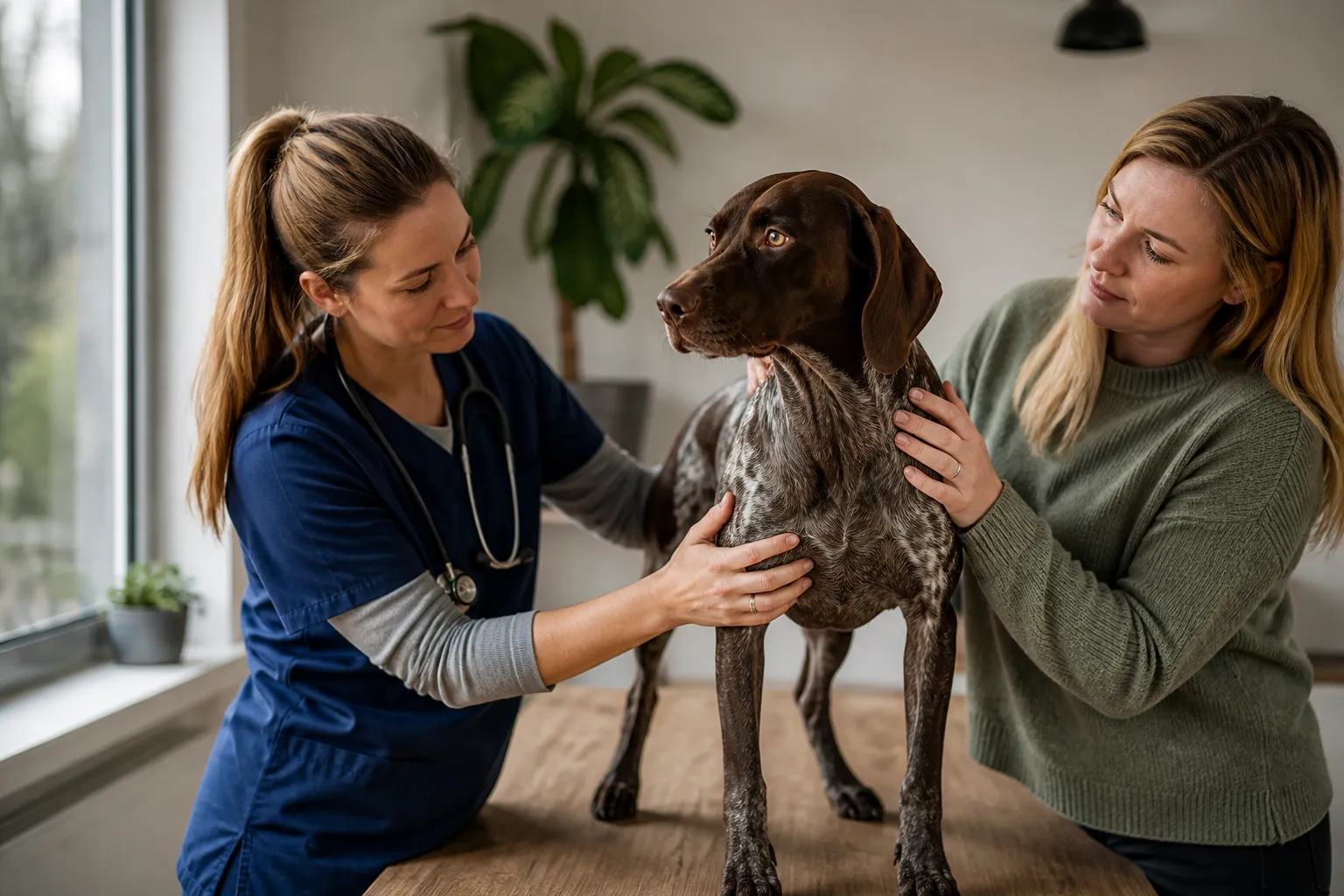
Regular veterinary examinations, preventive care and appropriate health screening support lifelong canine well-being.
Explore Health Guide →
Training & Socialization
Positive training encourages communication, confidence, cooperation and safe behaviour.
Explore Training Guide →
Exercise & Fitness
Daily age-appropriate activity and mental stimulation help satisfy the breed's natural energy and sporting instincts.
Explore Exercise Guide →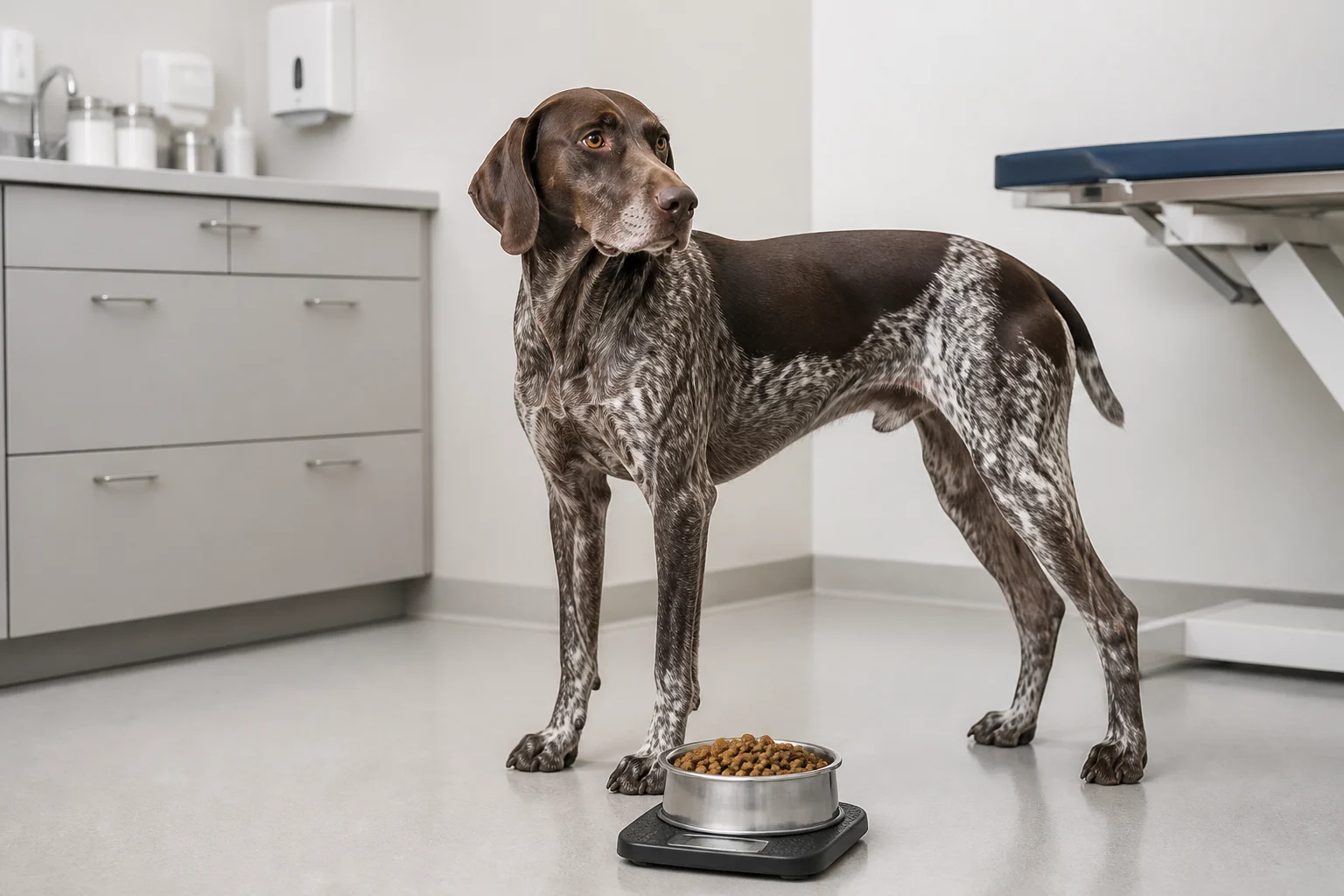
Nutrition & Feeding
Complete, life-stage-appropriate nutrition supports healthy growth, body condition and physical performance.
Explore Nutrition Guide →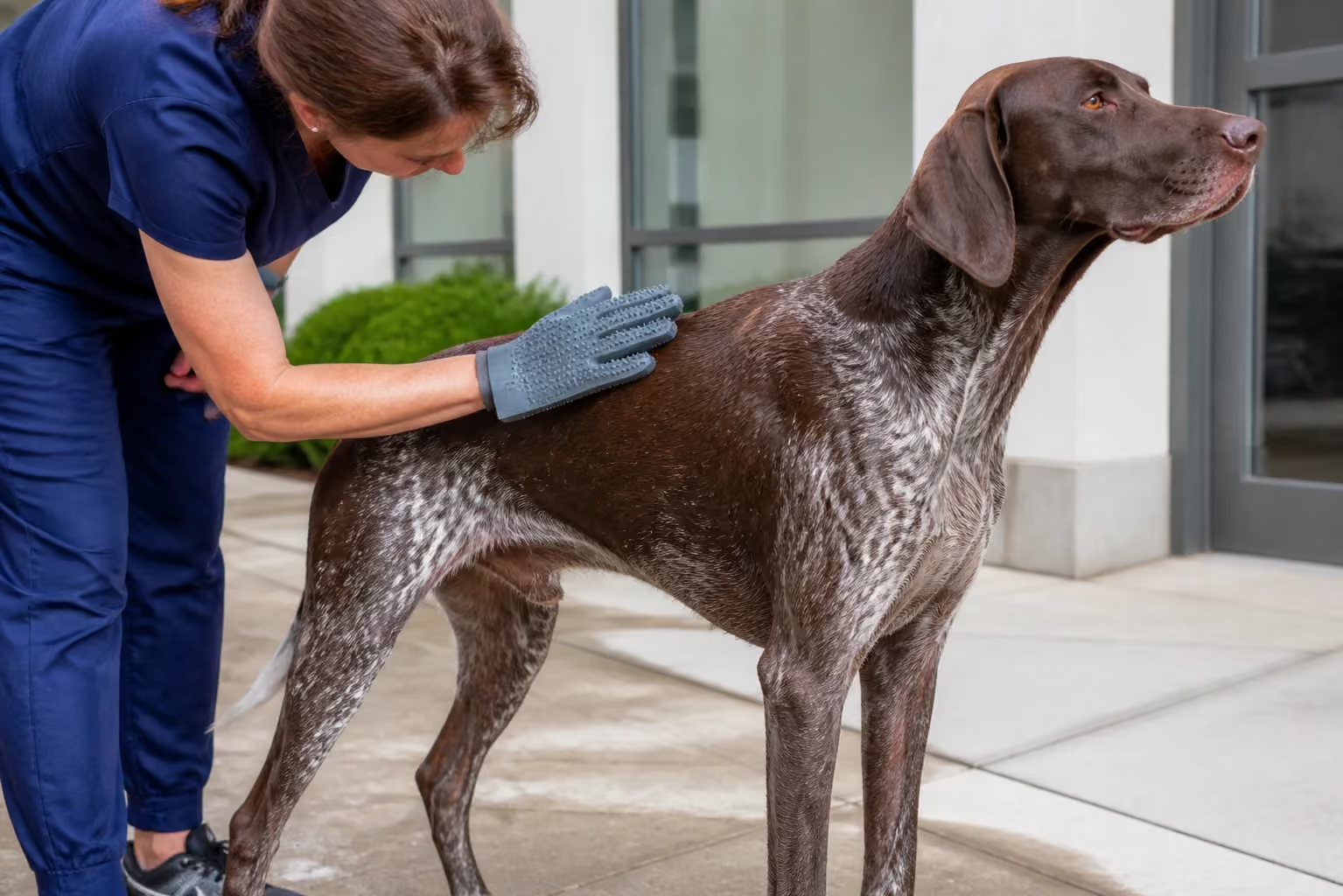
Grooming & Hygiene
Consistent brushing, ear inspection, nail maintenance and dental hygiene contribute to everyday comfort.
Explore Grooming Guide →
Companionship & Enrichment
Meaningful interaction, sufficient rest and engaging daily experiences help support emotional well-being.
Discover Timber Line Pointers →German Shorthaired Pointer Health & Life Expectancy
German Shorthaired Pointers commonly have a life expectancy of approximately 10 to 12 years, although individual lifespan varies according to genetics, health, nutrition, environment and other factors.
Important Health Considerations
- Hip dysplasia and other orthopedic conditions.
- Elbow dysplasia.
- Inherited eye conditions, including cone degeneration.
- Cardiac abnormalities.
- Epilepsy and other neurological conditions.
- Gastric dilatation-volvulus, commonly called GDV or bloat.
- Skin conditions and allergies.
- Ear problems associated with moisture or inflammation.
Supporting Lifelong Health
- Maintain appropriate preventive veterinary care.
- Provide complete and balanced nutrition.
- Maintain healthy body and muscle condition.
- Provide suitable exercise throughout every life stage.
- Request documented parental health screening when selecting a puppy.
- Monitor changes in movement, appetite and behaviour.
Understanding Bloat & GDV
German Shorthaired Pointers have a deep-chested structure and may be susceptible to gastric dilatation-volvulus. Repeated unsuccessful attempts to vomit, abdominal swelling, distress or sudden weakness require immediate emergency veterinary care.
Visit our complete German Shorthaired Pointer Health Guide to learn more about breed-related conditions and preventive healthcare.
German Shorthaired Pointer Compared With Similar Breeds
Several sporting breeds share characteristics with German Shorthaired Pointers. Understanding their general differences may help prospective owners select a breed that complements their lifestyle.
| Breed | Energy | Coat | Distinctive Characteristics |
|---|---|---|---|
| German Shorthaired Pointer | High | Short | Versatile pointing, tracking and retrieving abilities. |
| German Wirehaired Pointer | High | Wiry | Versatile sporting abilities and a weather-resistant coat. |
| Vizsla | High | Short | Athletic, affectionate and frequently people-oriented. |
| Weimaraner | High | Usually short | Strong athletic build and close human companionship. |
| Labrador Retriever | Moderate to high | Dense double coat | Retrieving abilities and adaptable sporting companionship. |
| English Pointer | High | Short | Specialized pointing heritage and athletic endurance. |
| Brittany | High | Medium-length | Compact sporting structure and enthusiastic field abilities. |
These comparisons describe broad breed tendencies. Individual dogs may differ substantially in energy, behaviour, trainability and suitability for particular households.
Advantages & Challenges of Owning a GSP
The German Shorthaired Pointer offers many wonderful qualities, but responsible ownership also requires an honest understanding of the breed's challenges.
Advantages
- Affectionate family companionship.
- High intelligence and learning potential.
- Excellent outdoor activity partner.
- Versatile natural sporting abilities.
- Relatively simple coat maintenance.
- Enthusiastic and engaging personality.
- Potential for participation in canine sports.
- Strong relationships with dedicated owners.
Ownership Challenges
- Substantial daily exercise requirements.
- High mental stimulation needs.
- Potentially strong prey drive.
- Requires consistent training and guidance.
- May struggle with prolonged isolation.
- Regular shedding despite short hair.
- May overwhelm very young children without supervision.
- Potential inherited and acquired health concerns.
The characteristics that make the German Shorthaired Pointer an exceptional sporting companion can also make it demanding for unprepared households. Consider the breed's daily requirements before making a lifelong commitment.
Choosing the Right German Shorthaired Pointer Puppy
Welcoming a German Shorthaired Pointer puppy is an exciting decision that deserves careful consideration. Choosing a suitable companion involves more than selecting a particular coat colour or physical appearance.
Temperament
Discuss the puppy's observed personality, confidence, activity level and interactions with people and littermates.
Parental Health
Request documented breed-specific health screening results for the parents and independently verify available records.
Early Development
Ask about the puppy's living environment, early experiences, handling and age-appropriate socialization opportunities.
Veterinary Records
Review available veterinary examination records, vaccinations, parasite treatment information and relevant identification details.
Lifestyle Compatibility
Consider whether your household can meet the dog's exercise, training, nutrition and companionship needs throughout life.
Transparent Communication
Request clear written information about puppy placement, health terms, ownership responsibilities and any applicable agreements.
Preparing for Your Puppy's Arrival
- Arrange a veterinary appointment.
- Prepare a comfortable sleeping and resting area.
- Purchase suitable food and water bowls.
- Obtain age-appropriate food and safe chew toys.
- Prepare suitable walking and identification equipment.
- Secure hazardous areas of your home and garden.
- Establish feeding, toilet and training routines.
- Plan for supervision, companionship and socialization.
Are You Ready for a German Shorthaired Pointer?
Use the following interactive ownership readiness checklist to consider whether a German Shorthaired Pointer is compatible with your household and long-term lifestyle.
There is no automatic passing score for responsible dog ownership. Consider any areas where you are uncertain and address them before welcoming a puppy into your family.
Frequently Asked Questions About German Shorthaired Pointers
What is a German Shorthaired Pointer?
The German Shorthaired Pointer is an athletic sporting dog originating in Germany and developed for versatile pointing, tracking and retrieving activities.
What does GSP stand for?
GSP stands for German Shorthaired Pointer. The breed is also known in Germany as the Deutsch Kurzhaar.
Are German Shorthaired Pointers good family dogs?
Yes, many GSPs make affectionate family companions when their substantial exercise, training and companionship requirements are consistently met.
How long do German Shorthaired Pointers live?
Their typical life expectancy is approximately 10 to 12 years, although individual lifespan varies.
How big do German Shorthaired Pointers get?
Adult males generally measure 23 to 25 inches and weigh 55 to 70 pounds. Females generally measure 21 to 23 inches and weigh 45 to 60 pounds.
Are German Shorthaired Pointers intelligent?
Yes. They are generally intelligent and capable learners that benefit from consistent training and engaging mental activities.
Are German Shorthaired Pointers easy to train?
Many are responsive to reward-based training. Their energy and strong interest in environmental scents can require patience and consistent practice.
How much exercise does a German Shorthaired Pointer need?
Many healthy mature GSPs benefit from approximately 60 to 120 minutes or more of varied daily activity, adjusted according to individual fitness, age and health.
Do German Shorthaired Pointers shed?
Yes. Despite their short coats, German Shorthaired Pointers shed regularly. Consistent gentle brushing helps manage loose hair.
Are German Shorthaired Pointers hypoallergenic?
No. GSPs produce dander and other allergens. Their short coat does not make them hypoallergenic.
Are German Shorthaired Pointers good with children?
Many enjoy companionship with children. Their size and enthusiasm require appropriate adult supervision and respectful interactions.
Are German Shorthaired Pointers good with cats?
Compatibility varies. Some GSPs live successfully with cats, while strong prey drive may make other individuals unsuitable. Careful management is essential.
Can German Shorthaired Pointers live with other dogs?
Many can live successfully with compatible dogs. Individual temperament, socialization and managed introductions influence compatibility.
Do German Shorthaired Pointers bark a lot?
Barking tendencies vary. Excitement, environmental triggers, boredom and anxiety may contribute to increased vocalization.
Are German Shorthaired Pointers aggressive?
Aggression is not a defining desirable breed characteristic. Individual behaviour depends on genetics, health, learning and environmental experiences.
Can German Shorthaired Pointers live in apartments?
Apartment living may be suitable for some GSPs when owners consistently provide enough exercise, companionship, training and enrichment.
Can German Shorthaired Pointers be left alone?
Some can learn to tolerate reasonable periods of alone time through gradual positive training. Prolonged regular isolation is generally unsuitable.
Do German Shorthaired Pointers enjoy swimming?
Many enjoy water activities because of their sporting heritage. Individual preferences vary, and swimming should always be supervised.
Are German Shorthaired Pointers suitable for first-time owners?
They may suit committed first-time owners who understand the breed's demanding exercise and training requirements and are prepared to obtain appropriate guidance.
What colours do German Shorthaired Pointers come in?
Common colours include liver and black, with solid, white, patched, ticked and roan patterns. Accepted combinations vary between breed organizations.
What is the difference between a male and female GSP?
Males are generally larger than females. Personality, energy and trainability depend more on the individual dog than sex alone.
Do German Shorthaired Pointers require professional grooming?
Most routine grooming can be performed at home. Their short coats do not normally require haircuts, although professional help may be useful for nail maintenance or other tasks.
Are German Shorthaired Pointers healthy dogs?
They are generally athletic sporting dogs but can develop inherited and acquired medical conditions. Preventive care and appropriate health screening are important.
When do German Shorthaired Pointers stop growing?
Many approach adult physical size around 12 to 18 months, although muscular development and behavioural maturity may continue beyond this period.
Are German Shorthaired Pointers good running companions?
Healthy, physically mature and properly conditioned GSPs can make excellent running companions. Increase activity gradually with veterinary guidance.
Do German Shorthaired Pointers have strong prey drive?
Many possess strong natural hunting and searching instincts. Secure environments, recall training and responsible supervision are important.
Are German Shorthaired Pointers suitable as guard dogs?
Some may alert their families to unfamiliar activity, but the breed was developed primarily for sporting versatility rather than protection work.
Can German Shorthaired Pointers be family pets without hunting?
Yes. Hunting is not required for successful ownership. Appropriate exercise, scent activities, training and enrichment can provide meaningful outlets for natural instincts.
What should I ask before purchasing a GSP puppy?
Ask about parental health screening, veterinary records, temperament, early development, living conditions and written placement terms. Independently verify relevant documentation.
Where can I learn more about available German Shorthaired Pointer puppies?
Visit the Timber Line Pointers Available Puppies page or contact us at info@timberlinepointers.com to enquire about current availability and puppy information.
Trusted Breed Information Resources
American Kennel Club — German Shorthaired Pointer
German Shorthaired Pointer Club of America — Breed Standard
German Shorthaired Pointer Club of America — Breed History
German Shorthaired Pointer Club of America — All About GSPs
Orthopedic Foundation for Animals
Educational Disclaimer: This breed guide provides general educational information. Individual temperament, appearance, development and health may vary. Veterinary concerns should be discussed with a qualified veterinary professional.