Understanding German Shorthaired Pointer Nutritional Requirements
German Shorthaired Pointers require nutrition that supports their natural athleticism, muscular structure, immune function and daily energy expenditure.
However, there is no single diet or feeding quantity that is appropriate for every German Shorthaired Pointer. Nutritional requirements vary according to several individual factors.
Age & Development
Growing puppies require diets formulated for development, while mature adults require nutrition appropriate for maintenance and activity.
Activity Level
Highly active sporting dogs may require significantly more dietary energy than dogs with less demanding daily routines.
Body Condition
Food portions should reflect the dog's individual weight, muscle condition, metabolism and overall physical condition.
Health & Lifestyle
Medical conditions, reproductive status, environmental temperatures and individual sensitivities may influence nutritional requirements.
Choose a nutritionally complete diet appropriate for your dog's life stage. Adjust feeding quantities according to body condition, activity and professional veterinary guidance.
Six Essential Nutrients for German Shorthaired Pointers
A nutritionally balanced canine diet provides the essential nutrients needed for normal growth, tissue maintenance, energy production and biological function.
Protein
Dietary protein supplies amino acids required for muscle development, tissue repair, enzymes and normal immune function.
Digestibility and amino acid balance are important considerations, rather than protein percentage alone.
Fats
Dietary fats provide concentrated energy, essential fatty acids and support the absorption of fat-soluble vitamins.
Appropriate fat levels depend on activity, calorie requirements and individual digestive tolerance.
Carbohydrates & Fibre
Properly processed carbohydrates can provide usable energy, while suitable dietary fibre supports digestive function and stool quality.
Dogs can digest appropriately prepared grains and other carbohydrate sources.
Vitamins
Vitamins contribute to normal metabolic processes, vision, immune function and tissue health. Both deficiencies and excessive intake can be harmful.
Minerals
Calcium, phosphorus and other minerals support skeletal development, nerve function and various physiological processes.
Appropriate mineral balance is particularly important during growth.
Water
Water is essential for circulation, digestion, temperature regulation and normal cellular function.
German Shorthaired Pointers should have reliable access to clean drinking water.
A long ingredient list, premium packaging or high protein percentage does not automatically indicate superior nutritional quality. Evaluate the complete formulation, life-stage suitability and manufacturing quality standards.
German Shorthaired Pointer Puppy Nutrition
Puppyhood is a critical period of skeletal, muscular, neurological and immune system development. Growing German Shorthaired Pointers require a diet specifically formulated to meet growth requirements.
The objective of puppy nutrition is steady, healthy development rather than maximum growth speed or rapid weight gain.
Recommended Puppy Feeding Principles
- Choose complete and balanced puppy food appropriate for expected adult size.
- Divide the daily food allowance into several manageable meals.
- Maintain a lean, healthy body condition throughout development.
- Monitor growth and weight during routine veterinary examinations.
- Provide consistent access to clean drinking water.
- Avoid unnecessary vitamin or mineral supplementation.
- Include training treats within the total daily calorie allowance.
Early Puppy Feeding
Offer several small measured meals throughout the day. Initially maintain the familiar food used before the puppy arrived in its new home, unless a veterinarian recommends an immediate change.
Rapid Growth & Development
Continue a nutritionally complete growth diet, monitor body condition and adjust portions as necessary. Three daily meals are suitable for many puppies during this period.
Adolescent Nutrition
Continue appropriate growth nutrition as skeletal and muscular development progresses. Many puppies can gradually transition toward two daily meals.
Transition Toward Adult Nutrition
Discuss the timing of the transition to adult food with your veterinarian. Physical maturity varies between individual German Shorthaired Pointers.
Avoid Overfeeding Growing Puppies
Excessive calorie intake and unnecessarily rapid weight gain can increase stress on developing joints. Do not add calcium, bone meal or other mineral supplements to a complete growth diet unless specifically advised by a veterinary professional.
Adult German Shorthaired Pointer Nutrition
Adult German Shorthaired Pointers benefit from complete maintenance nutrition that supports lean muscle, healthy body condition and their individual daily activity requirements.
An active companion dog may require a substantially different quantity of food from a conditioned field dog, even when both dogs have similar body weights.
Active Family Companions
Choose a complete adult diet and adjust measured portions according to regular exercise, weight trends and body condition.
Highly Active Sporting Dogs
Dogs undertaking sustained demanding activities may benefit from a more energy-dense diet selected with professional guidance.
Less Active Adults
Reduced activity may require adjustments to calorie intake. Maintain nutritional adequacy rather than simply providing unnecessarily restrictive portions.
Spayed or Neutered Dogs
Energy requirements may change following reproductive surgery. Monitor weight and adjust feeding quantities when necessary.
Establishing a Healthy Adult Feeding Routine
- Feed measured portions rather than estimating quantities.
- Divide food into two or more suitable daily meals.
- Maintain consistent feeding times where practical.
- Monitor changes in exercise and activity levels.
- Include treats and food rewards in daily calorie calculations.
- Review body condition regularly.
Nutrition for Senior German Shorthaired Pointers
Aging can influence appetite, digestive function, physical activity, muscle mass and nutritional requirements. Senior German Shorthaired Pointers benefit from an individualized approach to feeding.
Muscle Maintenance
Appropriate dietary protein supports the maintenance of muscle tissue. Protein should not automatically be restricted simply because a dog is older.
Calorie Management
Some senior dogs require fewer calories as activity decreases, while others may struggle to maintain weight.
Digestive Comfort
A suitable, digestible diet may support comfortable digestion. Persistent digestive symptoms require veterinary assessment.
Medical Nutrition
Dogs with kidney disease, gastrointestinal conditions or other illnesses may require specialized veterinary diets.
Senior-labelled dog food is not automatically necessary for every older dog. Discuss dietary suitability, muscle condition and any medical requirements during wellness examinations.
German Shorthaired Pointer Feeding Schedule by Age
A consistent feeding schedule helps owners monitor appetite, manage calorie intake and coordinate meals with daily activities. The following schedule provides flexible starting guidelines.
| Age Group | Meals Per Day | Diet Type |
|---|---|---|
| 8–12 Weeks | 3–4 small meals | Complete puppy growth diet |
| 3–6 Months | 3 meals | Complete puppy growth diet |
| 6–12 Months | 2–3 meals | Growth-stage nutrition |
| 12–18 Months | Usually 2 meals | Growth or adult food according to maturity |
| Mature Adults | Usually 2 meals | Complete adult maintenance diet |
| Sporting Adults | 2 or more meals | Activity-appropriate complete diet |
| Senior Dogs | 2 or more meals | Individualized age and health-appropriate diet |
Example Adult Daily Feeding Routine
Breakfast
Provide approximately half of the measured daily food allowance after your dog has settled from morning activity.
Training Rewards & Hydration
Use suitable small rewards during training and maintain access to fresh drinking water. Deduct food rewards from the overall daily calorie allowance.
Dinner
Offer the remaining measured food allowance, adjusting quantities to account for additional food consumed during the day.
Adapt feeding times to your dog's lifestyle, exercise routine and individual medical requirements.
How Much Should You Feed a German Shorthaired Pointer?
Appropriate feeding quantities depend on the individual dog's calorie requirements and the energy density of the selected food.
Different dog foods contain different amounts of energy per cup or gram. Consequently, a fixed number of cups is not a reliable universal feeding recommendation for German Shorthaired Pointers.
Determining Daily Food Portions
- Establish an appropriate daily calorie target with your veterinarian.
- Check the calorie information printed on the dog food packaging.
- Account for treats, chews and other sources of dietary energy.
- Calculate the measured quantity of complete food required.
- Divide the daily allowance into suitable feeding portions.
- Adjust according to weight trends and body condition.
Calculating Food Portions
Consider a hypothetical adult GSP with an established daily energy allowance of 1,400 calories. The selected food contains 400 calories per cup, and 120 calories are reserved for training treats.
| Calculation | Amount |
|---|---|
| Total Daily Allowance | 1,400 kcal |
| Training Treats | 120 kcal |
| Calories From Complete Food | 1,280 kcal |
| Food Energy Density | 400 kcal per cup |
Divided into two meals: approximately 1.6 cups per meal, plus the planned training rewards.
The quantities above are not a universal feeding prescription. Your dog's actual calorie allowance may be higher or lower. Weighing food in grams using a kitchen scale generally provides greater consistency than estimating cup measurements.
The 90/10 Nutrition Principle
For most healthy dogs, at least 90% of daily calories should come from nutritionally complete food, with no more than 10% from supplementary treats and snacks.
Choosing the Best Food for Your German Shorthaired Pointer
Selecting suitable dog food involves evaluating nutritional adequacy, formulation expertise, quality control and individual suitability rather than relying exclusively on marketing claims.
Dry Dog Food
Complete dry diets offer convenient storage, portion measurement and feeding. Choose a formulation suitable for your dog's life stage and health.
Wet Dog Food
Complete wet diets provide additional dietary moisture and may be useful for dogs with particular texture preferences.
Complete Fresh Food
Commercially prepared fresh diets may be suitable when nutritionally complete, safely manufactured and stored according to product instructions.
Home-Cooked Diets
Home-prepared meals require careful formulation to avoid nutrient deficiencies or excesses. Consult a board-certified veterinary nutritionist for an appropriate recipe.
Raw Food Diets
Raw diets can expose dogs and household members to harmful microorganisms and may be nutritionally unbalanced. Raw bones also present injury and obstruction risks.
Safer, nutritionally complete cooked alternatives are available.
Veterinary Therapeutic Diets
Specialized diets may support the management of certain medical conditions. These should be selected and monitored with veterinary guidance.
What to Look for on Dog Food Packaging
- A nutritional adequacy statement identifying the intended life stage.
- Clear calorie information per measurable unit of food.
- Appropriate storage and feeding instructions.
- Manufacturer contact and product traceability information.
- Evidence of appropriate formulation expertise and quality control.
- Nutritional standards relevant to the country where the food is sold.
German Shorthaired Pointers do not inherently require grain-free food. Certain dietary formulations have been investigated in relation to canine dilated cardiomyopathy, and the relationship remains complex. Discuss grain-free or unconventional diets with your veterinarian.
Healthy Weight & Body Condition Management
Maintaining appropriate body condition is particularly important for an athletic sporting breed. Excessive weight can place additional stress on joints and affect physical performance.
Body weight alone does not provide a complete assessment of nutritional health. Body condition scoring and muscle condition assessment offer valuable additional information.
Understanding the Nine-Point Body Condition Scale
Underweight
Ribs, pelvic bones or spinal structures may be unusually prominent, with insufficient fat or reduced muscle mass.
Ideal Condition
Ribs are readily palpable, a waist is visible from above and the abdomen is appropriately tucked when viewed from the side.
Overweight
Increasing fat coverage, reduced waist definition and difficulty feeling the ribs suggest excessive body fat.

Practical Weight Management Tips
- Measure food accurately at every meal.
- Review the calorie contribution of treats and chews.
- Monitor weight and body condition regularly.
- Adjust feeding according to changing activity levels.
- Provide appropriate physical activity and enrichment.
- Discuss significant weight changes with a veterinarian.
Unexplained Weight Changes
Unexpected weight loss, rapid weight gain, persistent appetite changes or loss of muscle may indicate underlying medical problems. Seek veterinary assessment rather than relying only on dietary adjustments.
Nutrition for Active, Hunting & Working GSPs
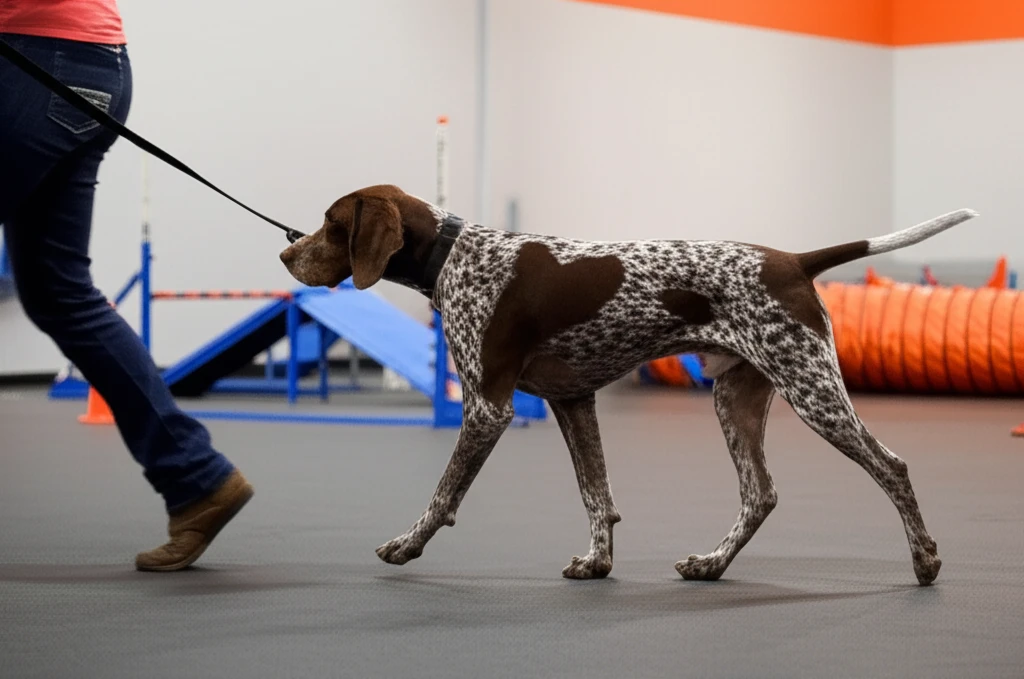
German Shorthaired Pointers participating in sustained sporting activities, field work and endurance exercise may have increased energy requirements compared with less active companion dogs.
The appropriate nutritional strategy depends on the duration, frequency and intensity of activity, as well as environmental conditions and the dog's current physical condition.
Energy Availability
Sustained demanding activities may require increased calorie intake or a more energy-dense complete food formulation.
Muscle Maintenance
Adequate digestible protein and essential amino acids support tissue maintenance and recovery from physical activity.
Hydration Management
Provide regular opportunities to drink clean water before, during and after appropriate sporting activities.
Recovery & Rest
Nutritional planning should accompany appropriate rest, gradual conditioning and sufficient recovery between demanding exercise sessions.
Seasonal Feeding Adjustments
A sporting dog's energy requirements may increase during periods of intensive activity and decrease during quieter seasons. Monitor physical condition and adjust food intake gradually rather than maintaining identical portions throughout the year.
Learn more about appropriate physical conditioning in our German Shorthaired Pointer Exercise Guide .
How to Change Your German Shorthaired Pointer's Food
Abrupt changes in diet may contribute to temporary digestive disturbances in some dogs. A gradual transition allows the dog to become accustomed to the new food.
The following seven-day transition is a practical starting example for healthy dogs. Sensitive individuals may require a slower transition.
Account for differences in calorie density between the old and new foods when measuring portions. Monitor appetite, stool quality and general comfort throughout the transition.
If your dog experiences mild digestive difficulties, discuss slowing the transition with your veterinarian. Persistent vomiting, diarrhea, refusal to eat or unusual weakness requires appropriate medical assessment. Medically necessary diet changes may follow a different schedule.
Toxic & Unsafe Foods for German Shorthaired Pointers
Several foods that are commonly consumed by humans can be toxic or otherwise dangerous to dogs. Prevent access to hazardous foods and ensure everyone in the household understands basic feeding safety.
| Food or Substance | Potential Health Risk |
|---|---|
| Chocolate | Methylxanthine toxicity, cardiac and neurological complications. |
| Grapes & Raisins | Potential acute kidney injury. |
| Xylitol | Dangerous hypoglycemia and possible liver injury. |
| Onions & Garlic | Damage to red blood cells. |
| Macadamia Nuts | Weakness, vomiting and neurological symptoms. |
| Alcohol | Central nervous system depression and serious toxicity. |
| Coffee & Caffeine | Potential cardiac and neurological toxicity. |
| Unbaked Yeast Dough | Stomach expansion and alcohol production. |
| Cooked Bones | Choking, obstruction and gastrointestinal injury. |
| Excessively Fatty Foods | Digestive disturbances and possible pancreatitis. |
| Moldy or Spoiled Food | Foodborne illness and possible toxin exposure. |
| Highly Salted Foods | Excessive sodium intake and possible toxicity. |
Suspected Food Poisoning
If your German Shorthaired Pointer consumes a potentially toxic food or substance, contact a veterinarian or animal poison control service immediately.
Do not wait for symptoms to develop and do not induce vomiting unless instructed by a veterinary professional.
Occasional Dog-Safe Food Rewards
Small portions of appropriately prepared foods may be suitable for healthy dogs without relevant dietary restrictions.
Lean Cooked Meat
Small pieces of thoroughly cooked, unseasoned and boneless lean chicken or turkey.
Carrots
Plain carrots cut into appropriately sized pieces to reduce choking risks.
Blueberries
Small quantities of clean, plain blueberries as occasional food rewards.
Plain Pumpkin
Small amounts of plain, cooked pumpkin without added sugar, spices or pie-filling ingredients.
These foods are optional treats, not substitutes for complete nutrition. Dogs with allergies, medical conditions or prescribed diets may require different food restrictions.
Hydration & Water Requirements
Appropriate hydration is particularly important for German Shorthaired Pointers because of their natural enthusiasm for physical activity and outdoor exploration.
Water requirements vary according to body size, environmental temperature, exercise, dietary moisture and health. Dogs eating dry food may obtain less moisture from their meals than dogs eating wet food.
Healthy Hydration Practices
- Provide unrestricted access to clean drinking water.
- Refresh water bowls regularly.
- Clean bowls thoroughly to maintain hygiene.
- Carry drinking water during outdoor adventures.
- Provide regular drinking opportunities during exercise.
- Avoid unsafe standing water and contaminated water sources.
- Monitor unusual changes in thirst and urination.
Recognizing Possible Dehydration
Unusual lethargy, tacky gums, weakness and reduced appetite can occur with dehydration or other medical conditions. Persistent symptoms require veterinary assessment.
Collapse, severe weakness or suspected heatstroke requires immediate emergency veterinary care.
Bloat, GDV & Safe Feeding Practices
The German Shorthaired Pointer has a deep-chested structure, making awareness of gastric dilatation-volvulus especially important. GDV is a serious condition involving stomach expansion and twisting that requires immediate veterinary treatment.
Feeding-Related Risk Management
- Consider dividing the daily food allowance into multiple meals.
- Provide a calm feeding environment.
- Consider an appropriate slow-feeding bowl if your dog rapidly consumes food.
- Avoid scheduling vigorous exercise immediately around large meals.
- Discuss individual GDV risk and preventive gastropexy with a veterinarian.
- Maintain appropriate access to drinking water.
Recognize the Signs of GDV
- Repeated unsuccessful attempts to vomit.
- Swollen or painful abdomen.
- Excessive drooling.
- Sudden restlessness or distress.
- Rapid breathing.
- Weakness, pale gums or collapse.
Suspected GDV is a life-threatening veterinary emergency. Seek immediate treatment at an emergency veterinary hospital.
Do not offer home remedies or delay professional treatment.
No feeding routine guarantees prevention of GDV. Visit our German Shorthaired Pointer Health Guide for additional breed-specific healthcare information.
Dietary Supplements & Nutritional Support
German Shorthaired Pointers receiving a nutritionally complete diet do not automatically require additional vitamins, minerals or nutritional supplements.
Certain supplements may be useful for specific health requirements, but their suitability depends on the individual dog, existing diet, medical history and product quality.
Omega-3 Fatty Acids
Veterinary-directed omega-3 supplementation may be considered for certain skin, inflammatory or joint-related conditions.
Joint Supplements
Some joint-support products may be considered as part of an individualized mobility management plan. Evidence and effectiveness vary.
Probiotics
Selected probiotic products may be useful in certain digestive situations. Benefits depend on the specific strains and condition.
Vitamins & Minerals
Additional vitamins and minerals are generally unnecessary when a complete diet meets the dog's nutritional requirements.
Supplement Safety
Excessive supplementation can disrupt nutritional balance, contribute to toxicity or interfere with medications. Consult your veterinarian before introducing supplements, particularly for puppies and dogs with existing medical conditions.
Interactive Daily Nutrition & Feeding Checklist
Use this interactive checklist to review your German Shorthaired Pointer's daily feeding routine. Select each activity as it is completed and reset the checklist whenever you begin a new routine.
Frequently Asked Nutrition Questions
What is the best food for a German Shorthaired Pointer?
The best food is a nutritionally complete, appropriately formulated diet that meets the individual dog's life-stage, activity and health requirements.
How much should a German Shorthaired Pointer eat daily?
Daily quantities depend on calorie requirements and food energy density. Use the food manufacturer's feeding directions as an initial guide and adjust according to body condition and veterinary advice.
How often should an adult German Shorthaired Pointer be fed?
Two measured daily meals are suitable for many healthy adult GSPs. Some dogs benefit from additional smaller meals according to individual needs.
How often should I feed my GSP puppy?
Young puppies generally benefit from several small meals throughout the day, commonly three or four. Meal frequency can gradually decrease as the puppy matures.
When should a GSP transition from puppy food to adult food?
Many German Shorthaired Pointers transition around 12 to 18 months, depending on skeletal maturity, expected adult size and veterinary recommendations.
Do German Shorthaired Pointers need high-protein food?
They require adequate digestible protein and essential amino acids. Higher protein percentages are not automatically necessary for every GSP. Overall nutritional balance is more important.
Is grain-free dog food better for German Shorthaired Pointers?
Not necessarily. Most dogs do not require grain-free nutrition. Discuss the suitability of unconventional formulations with a veterinary professional.
Can German Shorthaired Pointers eat raw food?
Raw food can present microbial contamination, nutritional imbalance and bone-related safety risks. Complete cooked diets offer safer alternatives.
Can I feed homemade meals to my German Shorthaired Pointer?
Home-cooked diets can be suitable when properly formulated. Consult a veterinary nutritionist to ensure the recipe meets all nutritional requirements.
Can I mix wet and dry dog food?
Yes, provided the combination is nutritionally appropriate and total calories are accounted for. Introduce changes gradually unless advised otherwise.
How many treats can a German Shorthaired Pointer have?
Treats and supplementary foods should generally contribute no more than 10% of daily calorie intake. The number of treats depends on their individual calorie content.
Can German Shorthaired Pointers eat chicken and rice?
Plain cooked chicken and rice may be suitable for certain short-term feeding situations, but they do not constitute a complete long-term diet without appropriate formulation.
Can I give my GSP cooked eggs?
Small amounts of plain, thoroughly cooked egg may be suitable for many healthy dogs. Include the additional calories within the daily allowance.
Can German Shorthaired Pointers develop food allergies?
Yes. Food-related adverse reactions can occur. Suspected food allergies should be investigated through veterinary-directed dietary assessment rather than repeated random food changes.
Should I give my German Shorthaired Pointer supplements?
Supplements are not automatically necessary when feeding a complete diet. Discuss any potential nutritional or medical benefits with your veterinarian.
How can I tell if my German Shorthaired Pointer is overweight?
Difficulty feeling the ribs, reduced waist definition and increased fat deposits may indicate excessive body condition. A veterinarian can provide a more complete assessment.
Why is my German Shorthaired Pointer always hungry?
Appetite can reflect activity, learned behaviour, calorie intake or medical conditions. Persistent or sudden increases in hunger should be discussed with your veterinarian.
Should I feed my GSP before or after exercise?
Avoid vigorous exercise immediately around large meals. Allow appropriate recovery after demanding activities and discuss individual feeding and GDV risk management with your veterinarian.
How much water does a German Shorthaired Pointer need?
Water requirements vary according to body size, exercise, temperature, diet and health. Provide reliable access to clean drinking water and monitor unusual changes in thirst.
How do I safely change my German Shorthaired Pointer's food?
Introduce the new food gradually over approximately seven days, or longer for sensitive dogs. Monitor digestive comfort and follow veterinary guidance when a medical condition is involved.
Do working German Shorthaired Pointers need different food?
Dogs performing sustained demanding activities may require increased dietary energy or a different complete formulation. Requirements depend on the individual workload and body condition.
Can a German Shorthaired Pointer eat chocolate?
No. Chocolate contains substances that can be toxic to dogs. Contact a veterinarian immediately if your dog consumes chocolate.
Should senior German Shorthaired Pointers eat less protein?
Protein restriction is not automatically appropriate for older dogs. Adequate protein helps maintain muscle mass. Medical conditions may require individualized dietary adjustments.
What should I do if my German Shorthaired Pointer refuses food?
Appetite loss can occur for various reasons, including illness and pain. Contact your veterinarian if refusal persists or is accompanied by other symptoms. Puppies and unwell dogs require particularly prompt attention.
Can nutrition prevent all German Shorthaired Pointer health problems?
No. Appropriate nutrition supports health and may reduce certain risks, but genetics, environment, infections and other factors also influence long-term canine health.
Trusted Nutrition & Veterinary Resources
World Small Animal Veterinary Association — Global Nutrition Guidelines
Pet Nutrition Alliance — Creating a Nutritional Plan
Association of American Feed Control Officials — Selecting the Right Pet Food
Merck Veterinary Manual — Feeding Practices in Small Animals
Educational Disclaimer: This guide provides general educational information and does not constitute individualized veterinary nutrition advice. Consult a qualified veterinarian or veterinary nutritionist before making significant dietary changes, introducing supplements or managing medical conditions through nutrition.