Understanding German Shorthaired Pointer Behaviour
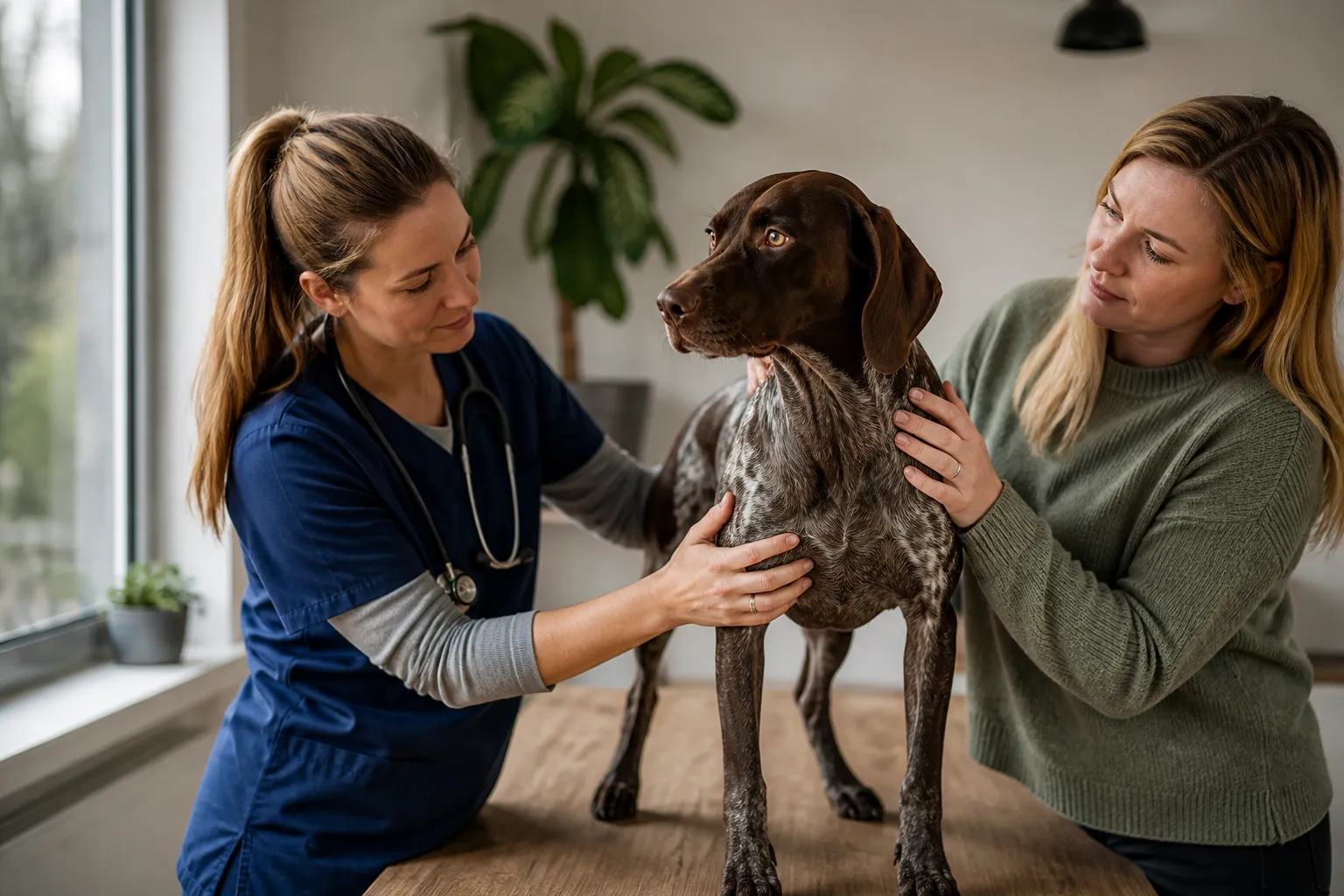
Originally developed in Germany as a versatile sporting dog, the German Shorthaired Pointer possesses a distinctive combination of intelligence, athleticism, curiosity and strong natural searching instincts.
Understanding these characteristics allows owners to establish training expectations that reflect the breed's abilities and individual needs.
Intelligence
GSPs often learn new behaviours quickly when training is engaging, consistent and appropriately rewarded. Their intelligence also means they readily learn unintended habits.
High Energy
Appropriate physical activity and mental enrichment help create opportunities for focused learning and comfortable relaxation.
Strong Prey Drive
Birds, wildlife and moving objects may attract a GSP's attention. Recall, impulse control and safe environmental management are important.
Human Companionship
Many German Shorthaired Pointers form strong relationships with their families and benefit from regular interaction and gradual independence training.
Breed characteristics provide useful guidance, but every dog has an individual personality, learning history and temperament. Adapt your expectations and training techniques accordingly.
The Foundations of Positive GSP Training
Reward-based training encourages dogs to repeat desirable behaviours by associating those behaviours with enjoyable outcomes. This approach supports learning while respecting canine welfare.
Essential Training Principles
Positive Reinforcement
Reward desirable behaviours with suitable treats, praise, toys or activities your dog genuinely enjoys.
Clear Communication
Use consistent verbal cues and reward the desired behaviour promptly so your dog understands which action earned the reward.
Short Training Sessions
Begin with brief sessions of a few minutes. Finish while your dog is still comfortable and interested.
Gradual Progression
Increase difficulty one element at a time, whether introducing additional distance, duration or environmental distractions.
Family Consistency
Encourage household members to use agreed cues, boundaries and reward-based techniques to avoid confusing the dog.
Patience & Understanding
Treat training errors as information. Simplify the exercise, improve the environment or provide a more motivating reward.
The Reward-Based Learning Process
- Prepare the Environment Choose a comfortable location with manageable distractions.
- Encourage the Desired Behaviour Use a reward, appropriate lure or natural opportunity to guide learning.
- Mark the Correct Action Use a consistent marker word such as "Yes" or a training clicker.
- Deliver the Reward Provide the reward immediately after marking the desired behaviour.
- Practice & Generalize Repeat successfully before gradually introducing new environments and challenges.
Training Methods to Avoid
Avoid intimidation, physical punishment, leash jerking, shock collars, prong collars, forced submission and other aversive techniques. These methods can increase fear, stress and defensive behaviour. Choose humane, reward-based alternatives.
German Shorthaired Pointer Training by Age
Training should evolve alongside your German Shorthaired Pointer's physical, emotional and behavioural development. The following milestones are flexible guidelines rather than strict deadlines.
Foundation Development
Introduce name recognition, toilet routines, gentle handling, comfortable crate experiences, simple cues and positive socialization.
Building Basic Manners
Practice sit, down, early recall, loose-leash walking, calm greetings and confidence-building activities.
Developing Self-Control
Strengthen waiting, settling, exchanging objects and responding to familiar cues around gradually increasing distractions.
Adolescent Training
Maintain consistent routines, reinforce established skills and provide appropriate outlets for energy and natural exploration. Expect occasional changes in focus.
Advanced Skill Development
Gradually strengthen obedience across varied environments and introduce suitable sporting activities when physical maturity and veterinary advice permit.
Lifelong Learning
Maintain important safety cues, introduce new enrichment activities and continue rewarding desirable household and outdoor behaviour.
Move forward when your dog consistently understands the current exercise. Returning to an easier training stage is a normal part of learning.
Training Your German Shorthaired Pointer Puppy
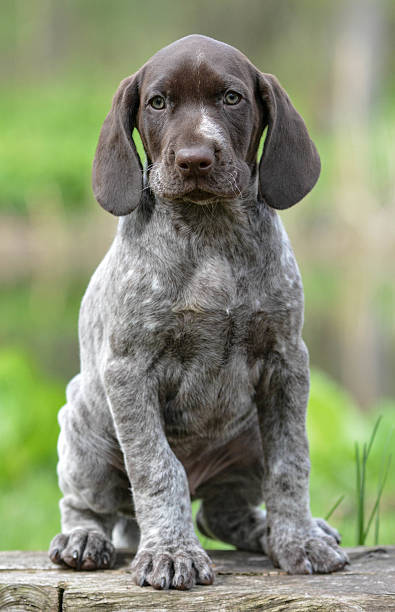
The first weeks in a new home provide an important opportunity to establish trust, predictable routines and positive experiences. Foundation training should begin with simple, enjoyable activities.
Preparing Your Home for Training
- Create a quiet and comfortable sleeping area.
- Remove hazardous objects and accessible electrical cables.
- Provide suitable puppy-safe chew toys.
- Establish predictable feeding and toilet routines.
- Use gates or barriers to manage access safely.
- Prepare appropriately sized training rewards.
- Arrange sufficient time for rest and companionship.
Teaching Your Puppy Its Name
- Begin in a Quiet Area Minimize distractions and allow your puppy to feel comfortable.
- Say the Name Once Use a cheerful, natural tone without repeatedly calling.
- Reward Attention Mark and reward your puppy when it turns toward you.
- Practice Throughout the Day Repeat in brief, enjoyable sessions before gradually introducing distractions.
Managing Puppy Biting & Mouthing
Puppies explore their surroundings with their mouths. Provide appropriate chew toys, redirect playful biting and briefly pause interaction when play becomes too rough.
Ensure your puppy receives sufficient sleep, since overtired puppies may become increasingly excitable. Avoid physical punishment or encouraging rough hand play.
Several short, successful experiences are generally more useful than one prolonged session. Allow your puppy to rest whenever it loses interest or becomes overwhelmed.
House Training Your German Shorthaired Pointer
Successful toilet training requires predictable opportunities, close supervision and immediate rewards for appropriate elimination. Young puppies have limited bladder control and require frequent breaks.
Step-by-Step House Training
- Choose a Designated Toilet Area Select a safe, accessible outdoor location suitable for your puppy.
- Establish Frequent Toilet Breaks Take your puppy outside after waking, eating, drinking, playing and before bedtime, with additional opportunities throughout the day and night as needed.
- Allow Time to Eliminate Remain patient and avoid turning every toilet break into an exciting play session before elimination.
- Reward Successful Elimination Offer praise and a suitable reward immediately after your puppy finishes in the correct location.
- Supervise Indoors Watch for sniffing, circling or suddenly leaving an activity, which may indicate the need to go outside.
- Manage Accidents Calmly Clean accidents using an appropriate enzymatic cleaner and adjust your supervision and toilet schedule.
| Daily Event | Recommended Action |
|---|---|
| Waking Up | Offer an immediate toilet break. |
| After Meals | Provide a toilet opportunity shortly afterward. |
| After Drinking | Monitor closely and offer an appropriate break. |
| After Play | Take the puppy outside when play ends. |
| After Naps | Offer an immediate toilet opportunity. |
| Before Bedtime | Provide a calm final toilet break. |
| During the Night | Offer additional breaks according to age and individual needs. |
Never Punish Toilet Accidents
Punishment does not teach a puppy where to eliminate and may encourage it to hide accidents. Persistent or sudden house-training difficulties may also have medical causes requiring veterinary assessment.
Crate Training & Independent Relaxation
When introduced appropriately, a crate can provide a comfortable resting space and useful support for household management, travel and supervised training routines.
Crates should never replace exercise, social interaction, toilet opportunities or appropriate supervision.
- Choose the Correct Crate Size Your dog should be able to stand naturally, turn around comfortably and lie down in a relaxed position.
- Create a Comfortable Environment Position the crate in a well-ventilated area and provide safe, suitable bedding.
- Encourage Voluntary Exploration Leave the door open and place rewards inside so your dog can investigate without pressure.
- Introduce Brief Door Closures Close the door for a few seconds while your dog remains relaxed, then reopen it.
- Gradually Develop Comfort Increase duration only while your dog remains comfortable. Practice short periods of calm separation at an appropriate pace.
- Maintain Positive Associations Continue rewarding voluntary entry and relaxed behaviour around the crate.
Recognizing Crate Distress
Persistent vocalization, frantic escape attempts, excessive drooling or self-injury may indicate significant distress. Do not force the dog to remain confined in the hope that panic will eventually disappear.
Seek advice from a veterinarian or qualified reward-based behaviour professional if confinement causes anxiety.
Essential Obedience Commands for German Shorthaired Pointers
Foundation obedience cues improve communication, support safe management and help German Shorthaired Pointers navigate everyday situations confidently.
Teaching Sit
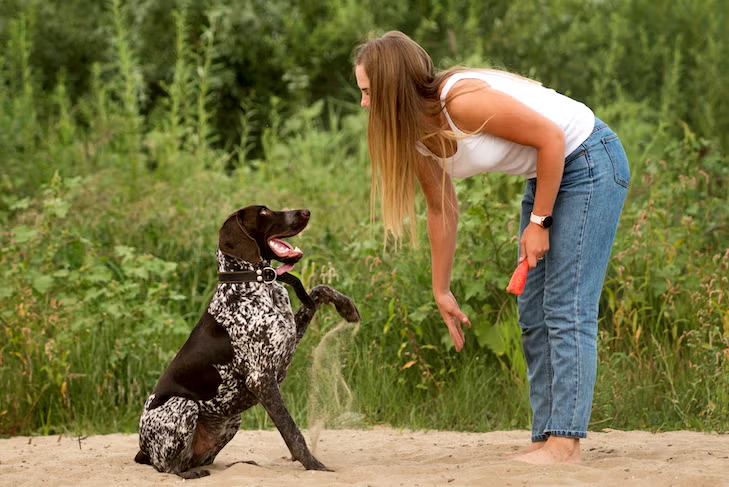
Hold a small reward near your dog's nose and move it gently upward and backward. Mark and reward when the dog naturally lowers its rear to the ground. Add the verbal cue once the movement is predictable.
Teaching Down
Guide a reward toward the ground and slightly forward. Reward when your dog lies down voluntarily. Avoid pushing the dog's shoulders or body.
Teaching Stay
Begin with a comfortable sit or down position. Reward a brief pause, then introduce a release cue. Gradually increase duration, distance and distractions separately.
Teaching Recall
Call your dog from a short distance using a cheerful tone. Reward generously when it reaches you. Practice in secure environments before increasing difficulty.
Teaching Leave It
Present a low-value item safely. Reward your dog from a separate hand when it voluntarily disengages. Introduce the verbal cue and progress gradually.
Teaching Object Release
Offer a suitable reward in exchange for a toy. Mark the moment your dog releases it. Return safe toys periodically to build confidence in the exchange.
Teaching Heel Position
Reward your dog for standing comfortably beside you, then for taking a few coordinated steps. Increase walking duration gradually while allowing relaxed sniffing breaks outside formal practice.
Teaching Wait
Practice brief pauses before opening a door, beginning an activity or offering a toy. Reward calm waiting and use a consistent release cue.
Teaching Place or Mat
Reward your dog for approaching and stepping onto a designated mat. Gradually encourage relaxed settling without forcing the dog to remain there.
Teaching Focus
Reward voluntary attention toward you. Add a verbal cue as the behaviour becomes familiar and practice around manageable distractions.
Developing Reliable Recall
Recall is an important safety skill for German Shorthaired Pointers because their natural sporting instincts can make wildlife and unfamiliar scents particularly distracting.
A Progressive Recall Training Programme
- Start Indoors Practice from short distances in a familiar, low-distraction environment.
- Use an Appealing Recall Cue Choose a consistent word and associate responding with valuable rewards.
- Practice in Secure Outdoor Areas Introduce outdoor sounds, scents and movement in a safely enclosed space.
- Introduce a Long Training Line Attach the line to an appropriate harness and supervise closely, allowing controlled exploration.
- Increase Distractions Gradually Practice at manageable distances from people, dogs and other distractions.
- Reward Successful Returns Reinforce recall consistently and sometimes allow your dog to return to safe exploration afterward.
Avoid calling your dog only when enjoyable activities are about to end. Create a strong positive association with returning to you through rewards and opportunities for safe play.
Off-Leash Safety
No recall cue guarantees a response in every situation. Keep your GSP securely managed near traffic, wildlife, livestock and other hazards. Follow applicable leash requirements.
Leash Training & Outdoor Manners
The German Shorthaired Pointer's enthusiasm for exploration can make loose-leash walking challenging without consistent guidance. Effective leash training encourages cooperation rather than force.
Teaching Loose-Leash Walking
- Use Suitable Walking Equipment Choose a comfortable, well-fitted harness or appropriate flat collar and a secure standard leash.
- Start With Minimal Distractions Practice indoors or in a quiet outdoor location.
- Reward a Relaxed Leash Mark and reward your dog when it walks without pulling.
- Pause When the Leash Tightens Stop forward movement calmly and resume when the leash relaxes.
- Provide Sniffing Opportunities Allow appropriate exploration as part of a balanced walking routine.
- Increase Difficulty Gradually Introduce busier environments only after success in simpler settings.
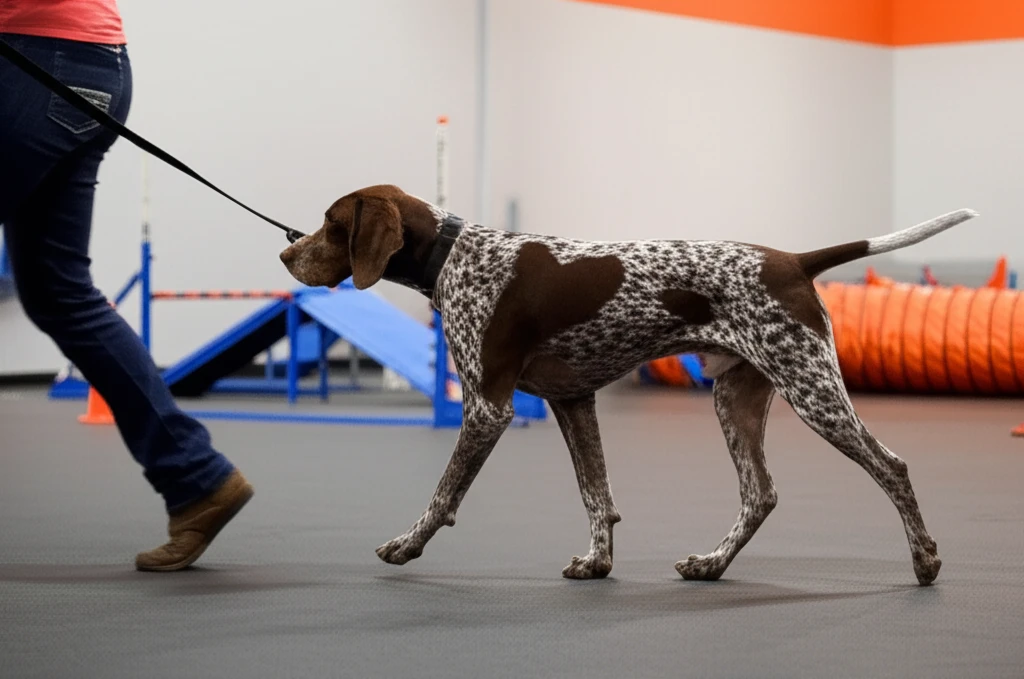
Explore our German Shorthaired Pointer Exercise Guide for additional information about physical activities and safe outdoor management.
Managing Common GSP Behavioural Challenges
Behavioural difficulties can arise from natural instincts, insufficient enrichment, anxiety, medical conditions or previous learning experiences. Identifying the underlying cause is important before selecting a management strategy.
Excessive Jumping
Reward calm greetings with four paws on the ground. Manage exciting introductions and encourage visitors to interact when your dog is settled.
Destructive Chewing
Provide suitable chew items, appropriate enrichment and supervised access to household spaces. Investigate anxiety or discomfort when necessary.
Excessive Barking
Identify what triggers the barking. Adjust the environment, teach alternative behaviours and reward calm responses to manageable triggers.
Pulling on the Leash
Reinforce loose-leash walking, practice in suitable environments and provide opportunities for safe exploration without pulling.
Chasing Wildlife
Use secure fencing and appropriate leash management. Reinforce recall, attention and controlled engagement while maintaining safe distances from wildlife.
Separation-Related Anxiety
Introduce alone time gradually and within your dog's comfort threshold. Persistent distress requires individualized behavioural assessment rather than punishment.
Difficulty Settling
Balance activity with predictable rest periods. Reward calm behaviour and provide a comfortable resting environment.
Resource Guarding
Avoid forcibly removing guarded objects or challenging the dog. Maintain safe distances, prevent confrontations and seek qualified professional assistance.
When Professional Behavioural Support Is Needed
Aggression, biting, severe anxiety, self-injury, persistent guarding or sudden behavioural changes warrant professional assessment.
Consult your veterinarian to investigate potential medical causes and seek a qualified reward-based behaviour specialist where appropriate. Use safe barriers and supervision to protect people and other animals while obtaining help.
Advanced Training & Sporting Activities
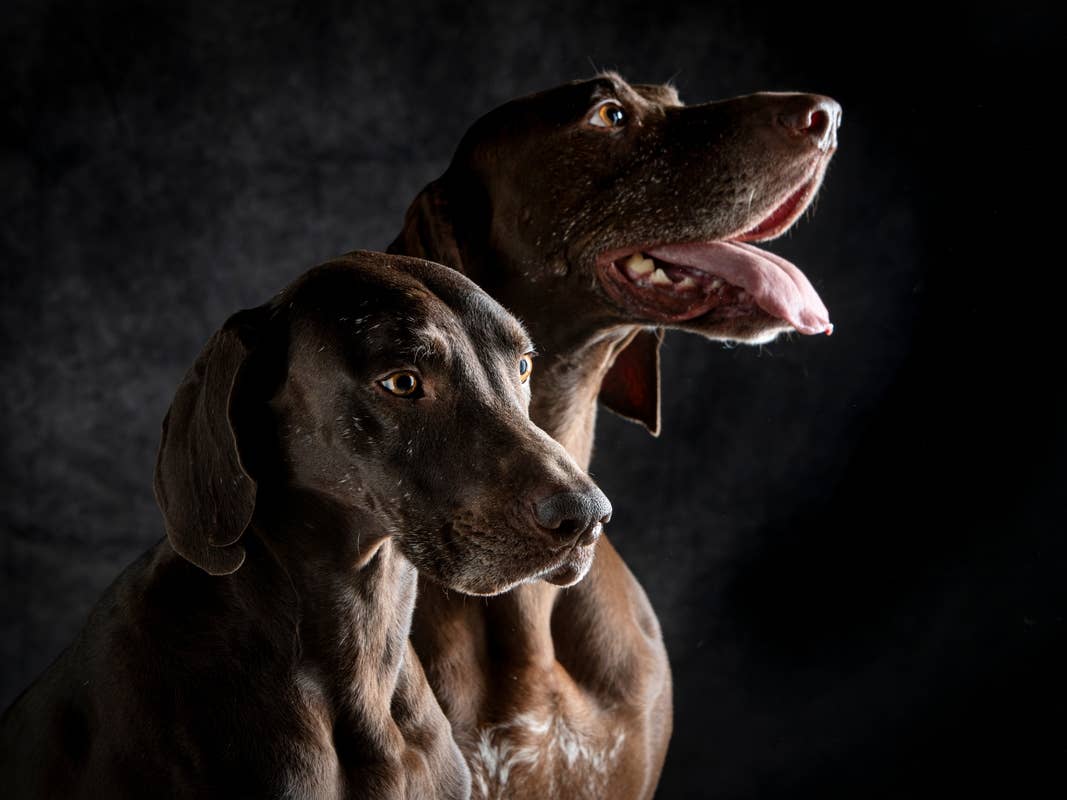
German Shorthaired Pointers possess natural searching, pointing and retrieving abilities that can be developed through appropriate sporting and enrichment activities.
Scent Work
Teach your dog to locate appropriate hidden objects through structured scent discrimination and searching games.
Retrieving
Develop voluntary collection, carrying and delivery of suitable retrieving toys through enjoyable, controlled practice.
Field Training
Introduce structured searching, directional cues and appropriate sporting exercises under experienced humane instruction.
Agility Training
Physically mature and healthy dogs may benefit from structured agility exercises that encourage coordination and communication.
Advanced Obedience
Strengthen established cues through controlled increases in distance, duration and environmental distractions.
Tracking Activities
Structured tracking provides opportunities to use natural scenting abilities while encouraging concentration and problem-solving.
Avoid introducing demanding sporting exercises before physical maturity. Discuss appropriate conditioning and activity levels with your veterinarian.
Seven-Day German Shorthaired Pointer Training Programme
A structured weekly programme helps owners maintain consistency while developing a variety of important skills. The following example can be adapted to your dog's age, ability and learning pace.
| Day | Primary Skill | Practice Activity |
|---|---|---|
| Monday | Attention & Focus | Name recognition, voluntary attention and sit. |
| Tuesday | Leash Manners | Short loose-leash walking sessions. |
| Wednesday | Recall | Reward-based recall in a secure location. |
| Thursday | Impulse Control | Wait, leave it and controlled toy exchanges. |
| Friday | Household Manners | Mat settling and calm greetings. |
| Saturday | Mental Enrichment | Scent games and controlled retrieving. |
| Sunday | Review & Relaxation | Revisit familiar skills and reward calm behaviour. |
Recommended Daily Training Structure
Foundation Practice
Spend approximately three to five minutes practicing familiar obedience cues.
Mental Engagement
Provide an appropriate scent game, supervised puzzle or confidence-building activity.
Practical Training
Incorporate leash manners, attention and recall practice into a suitable outdoor activity.
Relaxation Practice
Encourage settling, calm companionship and uninterrupted rest before bedtime.
Interactive Daily Training Checklist
Use this interactive checklist to review your German Shorthaired Pointer's daily training and enrichment activities. Select tasks as they are completed and reset the checklist for your next session.
Frequently Asked Training Questions
Are German Shorthaired Pointers easy to train?
GSPs are intelligent and often responsive to training. However, their energy, curiosity and sporting instincts require consistent guidance, appropriate rewards and daily engagement.
What is the best age to start training a German Shorthaired Pointer?
Gentle foundation learning can begin during early puppyhood. Families can introduce simple routines and reward-based training from approximately eight weeks of age.
What is the best training method for a GSP?
Humane, reward-based training encourages desirable behaviours through positive outcomes while supporting confidence, cooperation and canine welfare.
How long should a GSP training session last?
Begin with sessions lasting a few minutes, particularly for puppies. Increase duration gradually according to attention, comfort and individual ability.
Are German Shorthaired Pointers stubborn?
Their independent sporting instincts and environmental interests can sometimes make them appear stubborn. Adjusting rewards, distractions and training difficulty often improves engagement.
How long does it take to house train a GSP puppy?
Progress varies between puppies. Many improve considerably over several weeks, but dependable house training may take several months of consistent routines and physical development.
Can German Shorthaired Pointers be crate trained?
Many GSPs can learn to relax comfortably in a crate when introduced gradually and positively. Confinement should never involve punishment or prolonged distress.
How do I stop my GSP from pulling on the leash?
Reward walking with a relaxed leash, practice in quiet areas and gradually introduce distractions. Use comfortable equipment and avoid painful leash corrections.
How can I improve my German Shorthaired Pointer's recall?
Practice with valuable rewards in secure locations, gradually increase difficulty and use a supervised long training line where appropriate.
Can German Shorthaired Pointers be trained off-leash?
Some GSPs develop strong off-leash skills, but safety depends on the environment, individual dog, recall reliability and applicable leash requirements.
How do I stop my GSP puppy from biting?
Redirect mouthing toward appropriate chew toys, briefly pause rough play and ensure adequate rest. Reward gentle interactions rather than punishing normal puppy behaviour.
Are German Shorthaired Pointers suitable for first-time dog owners?
They can be suitable for committed first-time owners who understand their substantial exercise, training, companionship and enrichment requirements.
Can German Shorthaired Pointers learn advanced tricks?
Yes. Their intelligence and versatility make many GSPs capable of learning complex behaviours when introduced through gradual reward-based training.
How can I train my GSP to stay calm indoors?
Provide balanced physical activity, mental enrichment and predictable rest periods. Reward relaxed behaviour and practice voluntary mat settling.
Can exercise improve training performance?
Appropriate activity can support overall well-being and engagement. However, excessive exercise and fatigue may interfere with learning. Balance activity with rest.
Should I use treats when training my German Shorthaired Pointer?
Small, suitable food rewards can be effective training tools. Include them within your dog's daily calorie allowance and explore other valued rewards.
Can an older German Shorthaired Pointer still be trained?
Yes. Dogs can continue learning throughout their lives. Adapt activities according to mobility, sensory abilities, health and previous experience.
Why does my GSP ignore commands outdoors?
Outdoor environments may contain distractions that exceed your dog's current training ability. Reduce difficulty and practice with suitable rewards at manageable distances.
Can training prevent separation anxiety?
Gradual, positive independence training can help develop confidence, but it cannot guarantee prevention. Persistent separation-related distress requires professional assessment.
When should I hire a professional dog trainer?
Professional guidance can be helpful at any training stage. Seek qualified reward-based assistance for persistent difficulties, significant fear, aggression or anxiety.
Trusted Training & Behaviour Resources
American Kennel Club — GSP Puppy Training Timeline
American Veterinary Society of Animal Behavior — Humane Training and Socialization
American Kennel Club — German Shorthaired Pointer
Educational Disclaimer: This guide provides general educational information. Individual training requirements vary according to age, temperament, health and previous experiences. Serious behavioural concerns should be assessed by a veterinarian or qualified behaviour professional.