Understanding German Shorthaired Pointer Health
German Shorthaired Pointers were developed as versatile sporting dogs capable of performing demanding activities across different environments. Their athletic structure, muscular bodies and enthusiastic personalities reflect this working heritage.
Good health is influenced by genetics, environmental conditions, nutrition, veterinary care and daily management. Responsible ownership involves addressing each of these factors throughout the dog's lifetime.
Characteristics of a Healthy GSP
- Bright, clear eyes without persistent discharge.
- A clean coat and comfortable, healthy skin.
- A consistent appetite and normal drinking habits.
- Healthy gums and comfortable eating.
- Normal movement without persistent limping.
- A healthy body condition and visible waist.
- Regular bowel movements and urination.
- Behaviour and energy levels consistent with the individual dog.
Changes in appetite, movement, sleep, temperament or activity can provide important clues about your dog's health. Become familiar with your GSP's normal habits and report persistent changes to your veterinarian.
Common German Shorthaired Pointer Health Conditions
Not every German Shorthaired Pointer will develop the conditions described below. However, understanding potential breed-related health concerns helps owners recognize symptoms and discuss appropriate screening with veterinary professionals.
Hip Dysplasia
Hip dysplasia involves abnormal development of the hip joint and can contribute to discomfort, reduced mobility and arthritis.
Possible signs: difficulty rising, stiffness, reluctance to jump and changes in gait.
Elbow Dysplasia
Elbow dysplasia describes developmental abnormalities affecting the elbow joint, potentially resulting in pain, lameness and degenerative joint disease.
Possible signs: front-leg limping, stiffness and reduced willingness to exercise.
Cone Degeneration
Cone degeneration is an inherited disorder affecting retinal cells responsible for vision in bright light. DNA screening helps identify genetic risk.
Possible signs: difficulty navigating in daylight and sensitivity to bright environments.
Progressive Retinal Atrophy
Progressive retinal atrophy refers to inherited disorders that cause deterioration of the retina and progressive vision loss.
Possible signs: difficulty seeing in dim light and increased hesitation in unfamiliar areas.
Heart Disease
Certain congenital and acquired heart conditions may affect German Shorthaired Pointers. Veterinary cardiac assessment helps investigate suspected abnormalities.
Possible signs: unusual fatigue, coughing, breathing difficulties or collapse.
Epilepsy
Some dogs experience recurrent seizures associated with epilepsy. Seizures can also arise from other medical conditions or toxic exposures.
Possible signs: uncontrolled movements, altered awareness, collapse or unusual episodes.
Hypothyroidism
Hypothyroidism occurs when the thyroid gland produces insufficient hormones, potentially affecting metabolism, energy and coat condition.
Possible signs: unexplained weight gain, lethargy and changes in skin or coat quality.
Allergies & Skin Conditions
Dogs may experience environmental allergies, food-related reactions, parasite-associated irritation and other dermatological conditions.
Possible signs: persistent itching, paw licking, redness and recurrent ear problems.
Ear Infections
Moisture, allergies and inflammation can contribute to ear infections, especially in dogs that frequently swim or explore wet environments.
Possible signs: head shaking, scratching, unpleasant odour and discharge.
Gastric Dilatation-Volvulus
Also known as GDV or twisted stomach, this life-threatening condition requires immediate emergency veterinary treatment.
Possible signs: unsuccessful attempts to vomit, abdominal swelling and restlessness.
Symptoms frequently overlap between different conditions. A veterinary examination is necessary to determine their underlying cause. Avoid diagnosing or treating a suspected condition based solely on online information.
Genetic Health Screening & Responsible Breeding
Appropriate health screening is an important component of responsible German Shorthaired Pointer breeding. Screening can identify inherited risks and provide useful information when selecting suitable breeding combinations.
Prospective puppy owners should request documented health results for the parent dogs and verify the results through recognized health registries where available.
| Evaluation | Testing Method | Purpose |
|---|---|---|
| Hip Evaluation | OFA or PennHIP assessment | Evaluate hip structure and joint health. |
| Elbow Evaluation | Orthopedic radiographic screening | Identify developmental elbow abnormalities. |
| Eye Examination | Veterinary ophthalmologist assessment | Screen for inherited eye abnormalities. |
| Cardiac Evaluation | Veterinary cardiologist examination | Assess potential cardiovascular abnormalities. |
| Cone Degeneration | Breed-specific DNA test | Determine genetic status for the condition. |
| Additional DNA Screening | Testing based on pedigree and veterinary advice | Investigate other relevant inherited risks. |
| Thyroid Evaluation | Appropriate laboratory testing when indicated | Assess thyroid function. |
Questions to Ask Before Welcoming a Puppy
- What breed-specific health evaluations have the parents completed?
- Can the original health screening records be reviewed?
- Are the results available through a recognized health registry?
- What veterinary examinations has the puppy received?
- What vaccination and parasite prevention records are available?
- Are there any known health concerns within the puppy's family history?
- What written health-related terms accompany the puppy?
Screening helps reduce identifiable inherited risks but cannot guarantee that a dog will remain free of disease. Environmental factors, complex genetic influences and acquired illnesses can also affect long-term health.
Understanding Bloat & Gastric Dilatation-Volvulus
German Shorthaired Pointers have a relatively deep chest, making awareness of gastric dilatation-volvulus particularly important. GDV occurs when the stomach expands and twists, interfering with circulation and normal organ function.
Recognize the Emergency Signs
- Repeated attempts to vomit without producing anything.
- A swollen, tight or painful abdomen.
- Sudden restlessness or inability to settle.
- Excessive drooling.
- Rapid breathing or significant discomfort.
- Pale gums, weakness or collapse.
Suspected GDV is a life-threatening emergency. Contact the nearest emergency veterinary hospital and seek immediate treatment.
Do not wait for symptoms to disappear, attempt home remedies or induce vomiting.
Discussing Risk Management
- Discuss dividing daily food into smaller meals.
- Consider an appropriate slow-feeding bowl for dogs that gulp food.
- Provide a calm feeding environment.
- Discuss meal and exercise timing with your veterinarian.
- Learn whether preventive gastropexy is appropriate for your dog.
No feeding routine can completely eliminate the risk of GDV. Preventive gastropexy can reduce the risk of stomach twisting but does not prevent every episode of stomach distension.
Preventive Healthcare & Veterinary Visits
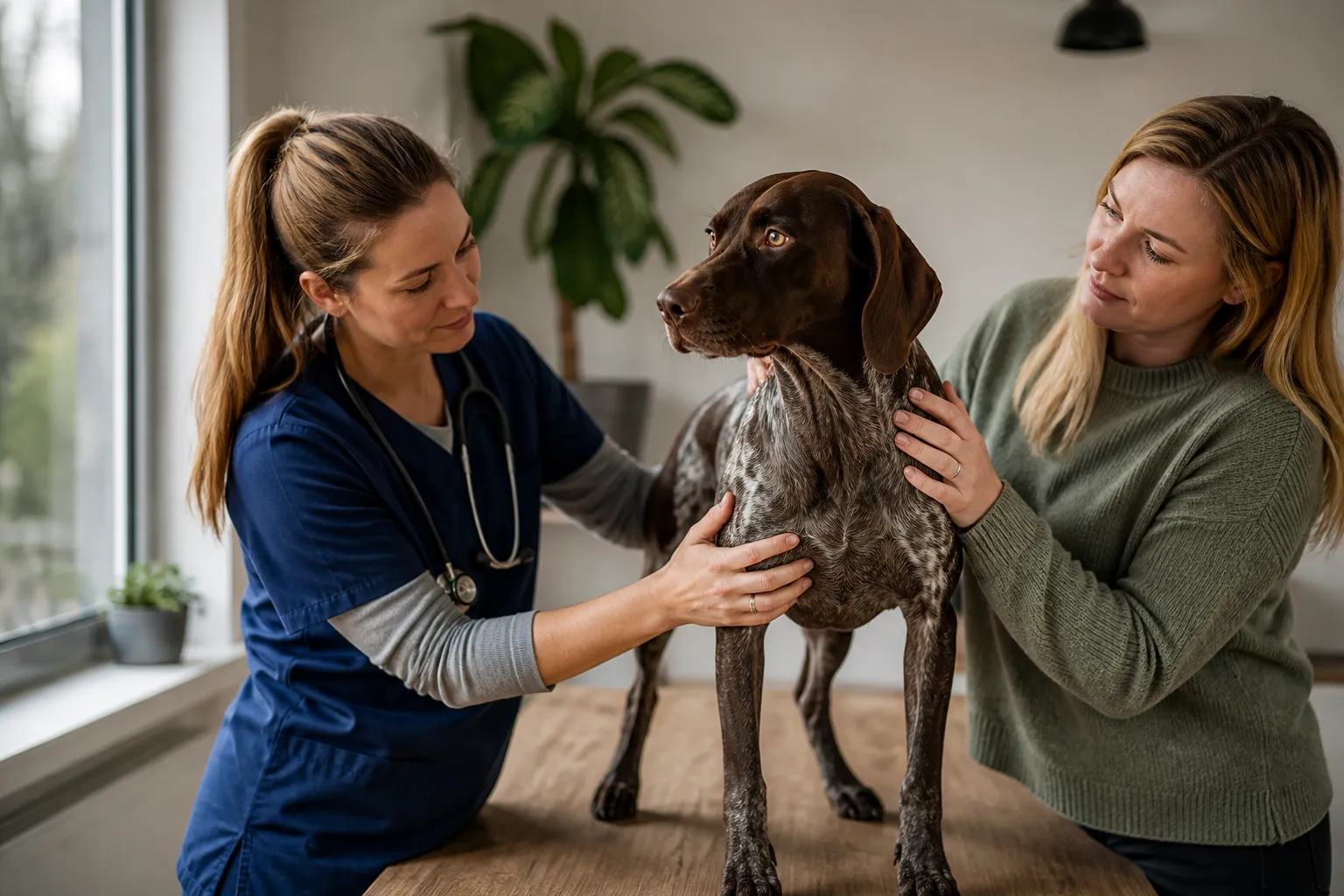
Preventive healthcare supports early identification of medical concerns and helps maintain your German Shorthaired Pointer's overall well-being.
| Healthcare Activity | Suggested Frequency |
|---|---|
| General Veterinary Examination | At least annually for healthy adults. |
| Senior Wellness Examination | Approximately every six months or as advised. |
| Vaccination Review | At routine veterinary visits. |
| Parasite Prevention | According to product instructions and veterinary advice. |
| Dental Examination | During routine veterinary assessments. |
| Body Condition Monitoring | Monthly and during veterinary visits. |
| Ear & Skin Inspection | Weekly and after outdoor activities. |
| Dental Brushing | Daily, ideally. |
| Bloodwork & Other Screening | Based on age, health and veterinary recommendations. |
| Eye & Paw Inspection | Regularly and whenever concerns arise. |
Puppies, pregnant dogs, senior dogs and individuals with existing medical conditions may require more frequent monitoring.
German Shorthaired Pointer Vaccination Schedule
Vaccination protects dogs against several serious infectious diseases. Your veterinarian should establish a vaccination plan based on your puppy's age, medical history, location, exposure risks and applicable legal requirements.
Initial Puppy Vaccination
Begin the recommended puppy vaccine series, including protection against canine distemper, adenovirus and parvovirus.
Follow-Up Vaccinations
Continue the vaccine series at the intervals established by your veterinarian, accounting for maternal antibodies and individual exposure risks.
Completion of the Initial Core Series
The initial combination vaccine series generally includes a dose at or after 16 weeks of age. Higher-risk puppies may require additional doses.
Rabies & Other Vaccinations
Rabies vaccination must follow applicable local laws and product requirements. Discuss leptospirosis, Bordetella, Lyme disease and other relevant vaccines with your veterinarian.
Booster Vaccinations
Maintain protection through an individualized booster schedule based on vaccine type, previous doses, lifestyle and current veterinary guidelines.
Keep copies of your dog's vaccination history, veterinary examinations and upcoming appointments. Follow professional guidance rather than assuming that every vaccine requires an annual booster.
Parasite Prevention & Protection
German Shorthaired Pointers often spend considerable time outdoors, where they may encounter parasites through vegetation, soil, wildlife, insects and other animals.
Fleas
Fleas can cause itching, skin irritation and allergic reactions. Appropriate preventive products and environmental management help control infestations.
Ticks
Ticks can transmit infectious diseases. Inspect your dog's coat, ears, neck, paws and other areas after outdoor activities, particularly in wooded and grassy environments.
Heartworms
Heartworm disease is transmitted by mosquitoes and can cause serious cardiopulmonary complications. Discuss appropriate testing and preventive medication.
Intestinal Parasites
Roundworms, hookworms, whipworms and tapeworms can affect canine health. Veterinary testing and appropriate parasite treatment support effective management.
Practical Parasite Prevention
- Use veterinarian-recommended preventive products.
- Follow the correct dosing schedule for your dog's weight and age.
- Arrange appropriate fecal and heartworm testing.
- Inspect the coat and paws after outdoor adventures.
- Remove animal waste promptly.
- Maintain clean bedding, bowls and living areas.
- Prevent access to contaminated water and animal carcasses.
Medication Safety
Never administer multiple parasite treatments or use products intended for another animal without checking compatibility with your veterinarian. Incorrect dosing and inappropriate products can cause serious adverse effects.
Nutrition, Healthy Weight & Body Condition
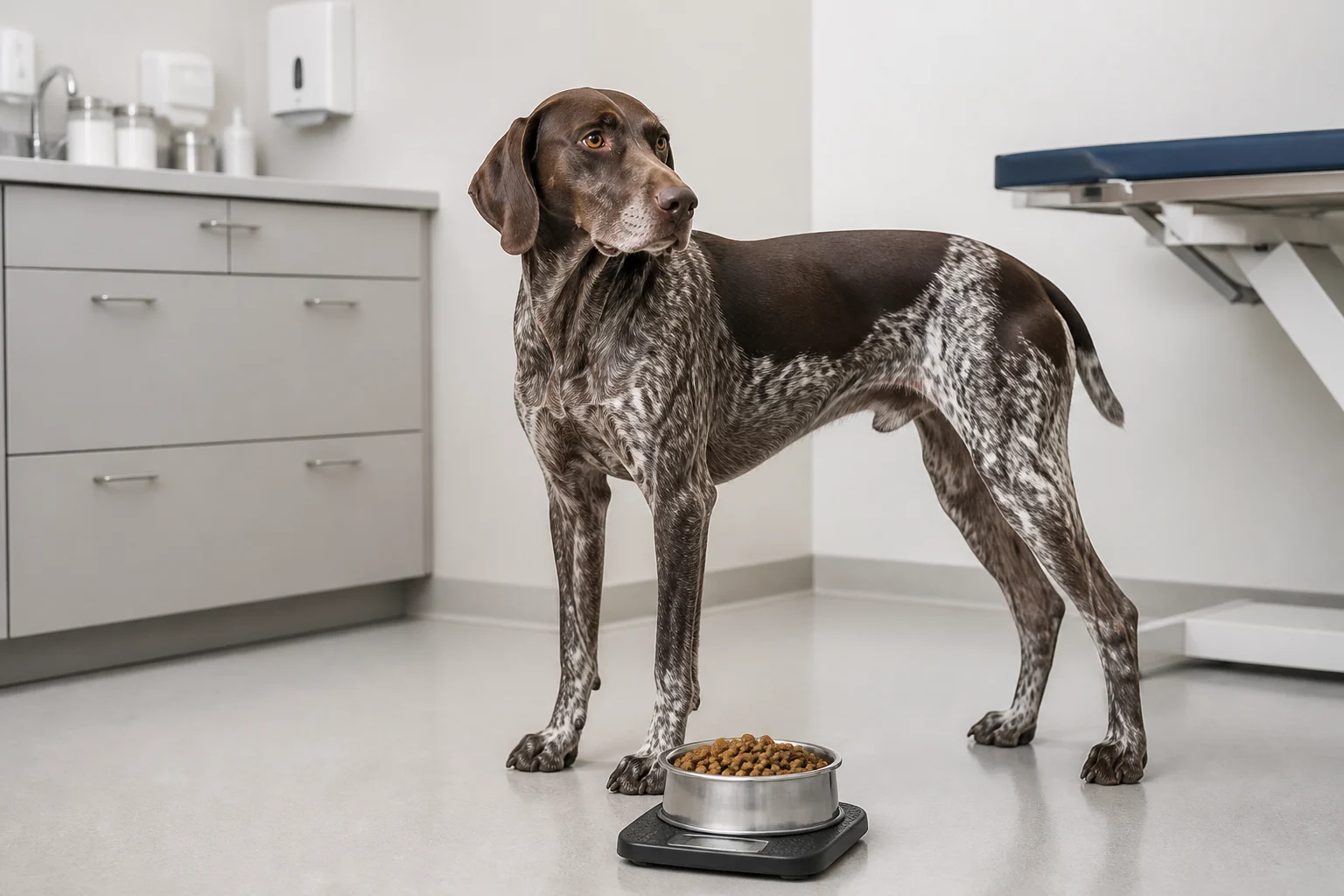
German Shorthaired Pointers require nutrition that supports their age, physical activity, body condition and individual medical needs. Maintaining a healthy weight is particularly important for an athletic breed.
Healthy Feeding Principles
- Choose complete and balanced food appropriate for the dog's life stage.
- Adjust food portions according to activity and body condition.
- Provide continuous access to clean drinking water.
- Include treats within the overall daily calorie allowance.
- Avoid abrupt dietary changes unless medically necessary.
- Discuss supplements with a veterinarian before use.
Underweight
Prominent ribs, hips or spinal bones, together with reduced muscle or body fat, may indicate inadequate nutrition or an underlying health concern.
Ideal Weight
The ribs should generally be easy to feel beneath a light fat covering, with a visible waist from above and an abdominal tuck from the side.
Overweight
Difficulty feeling the ribs, reduced waist definition and excessive fat deposits may indicate that calorie intake exceeds energy requirements.
Individual Assessment
Ask your veterinarian to assess body condition and muscle mass. A healthy weight is not determined by breed averages alone.
Learn more about appropriate feeding routines in our German Shorthaired Pointer Nutrition Guide .
Physical Fitness & Mental Well-being
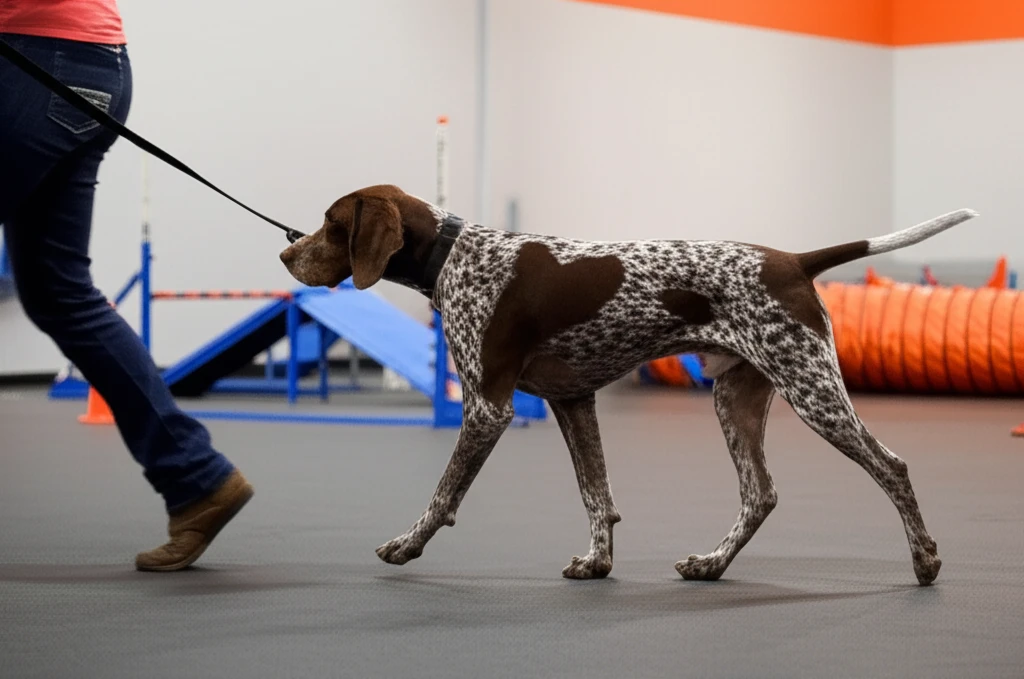
Physical activity and mental stimulation are central to a German Shorthaired Pointer's quality of life. Their natural drive, intelligence and enthusiasm make meaningful daily activities particularly important.
Benefits of Appropriate Exercise
- Supports healthy muscles and cardiovascular fitness.
- Helps maintain appropriate body condition.
- Provides opportunities for exploration and enrichment.
- Supports emotional well-being and relaxation.
- Strengthens the relationship between dogs and owners.
Exercise Safety
- Increase exercise intensity gradually.
- Adjust activities for puppies, seniors and recovering dogs.
- Avoid strenuous activities during extreme heat.
- Provide sufficient drinking water and rest breaks.
- Inspect paws and skin after outdoor activities.
- Stop exercising if your dog displays pain or unusual fatigue.
Recognizing Heatstroke
Excessive panting, drooling, weakness, confusion, vomiting or collapse during hot weather may indicate heatstroke. Move the dog to a cooler location, begin cooling with cool water and airflow, and seek emergency veterinary treatment immediately.
Explore our Exercise Guide and Training Guide for additional information.
Dental, Ear, Eye & Skin Health
Routine hygiene supports your dog's comfort and provides opportunities to identify changes requiring veterinary attention.
Dental Health
Brush the teeth regularly using dog-specific toothpaste. Professional dental examinations help identify periodontal disease, damaged teeth and other oral conditions.
Ear Health
Inspect ears regularly and after swimming. Seek veterinary care for persistent scratching, discharge, redness or unpleasant odour.
Eye Health
Monitor for redness, cloudiness, excessive discharge or changes in vision. Sudden eye pain, injury or vision loss requires urgent assessment.
Skin & Coat Health
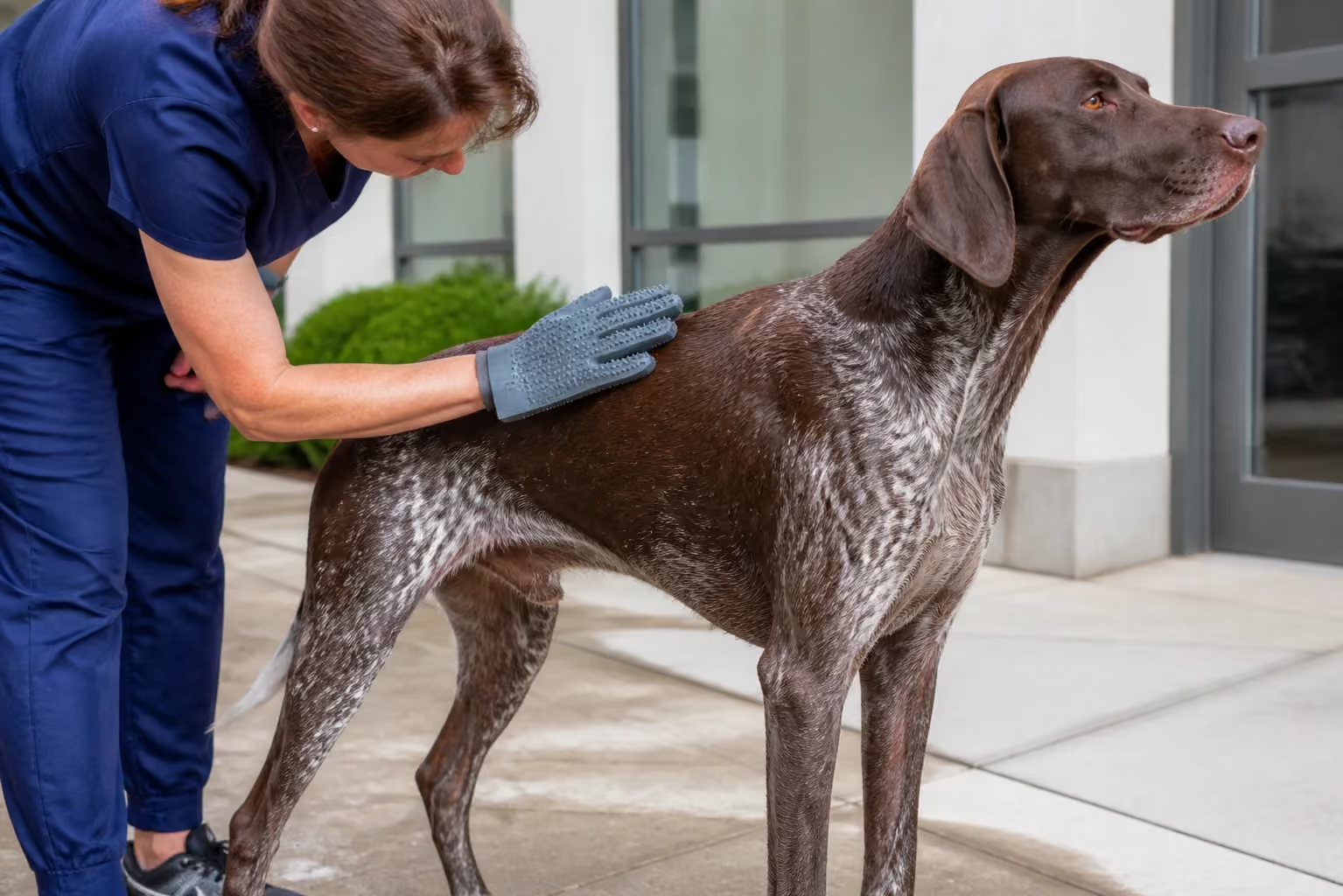
Regular brushing and skin inspection help identify parasites, wounds, unusual growths, irritation and changes in coat condition.
For detailed maintenance instructions, visit our German Shorthaired Pointer Grooming Guide .
Healthcare for German Shorthaired Pointer Puppies
The first year of a German Shorthaired Pointer's life involves significant physical, neurological and behavioural development. Appropriate healthcare during this period helps establish a foundation for adulthood.
Your Puppy's First Veterinary Appointment
Arrange an initial veterinary appointment promptly after bringing your puppy home. Bring all available health, vaccination, feeding and parasite treatment records.
- Complete a general physical examination.
- Review the puppy's previous medical history.
- Confirm the vaccination and parasite prevention schedule.
- Discuss appropriate nutrition and feeding portions.
- Monitor growth and body condition.
- Discuss microchipping and identification.
- Review dental development and oral hygiene.
- Discuss safe socialization and activity levels.
- Consider individualized spaying or neutering guidance.
Puppies Require Prompt Attention
Young puppies can deteriorate quickly when experiencing vomiting, diarrhea, dehydration, infectious disease or inadequate food intake.
Contact a veterinarian promptly if your puppy develops persistent digestive symptoms, refuses food, becomes unusually weak or displays a sudden change in behaviour.
Supporting Healthy Puppy Development
Provide appropriate puppy nutrition, sufficient sleep, positive socialization and self-paced play. Avoid forced long-distance running, repetitive jumping and excessive high-impact activities while the puppy is developing.
Healthcare for Senior German Shorthaired Pointers
As German Shorthaired Pointers grow older, their nutritional requirements, mobility and recovery from physical activity may change. Senior dogs benefit from healthcare routines adapted to their individual needs.
Joint & Mobility Support
Monitor stiffness, changes in movement and difficulty rising. Discuss appropriate pain management, rehabilitation and activity adjustments with your veterinarian.
Senior Nutrition
Adjust food intake to maintain healthy body condition and muscle mass. Choose nutritional strategies based on individual medical needs.
Regular Health Screening
More frequent wellness examinations, together with appropriate laboratory testing, may help identify age-related health concerns.
Comfort & Quality of Life
Provide supportive bedding, comfortable temperatures, non-slip walking surfaces and activities suited to your dog's abilities.
Changes That Should Not Be Dismissed as Aging
- Unexplained weight loss.
- Increased thirst or urination.
- Persistent coughing or breathing changes.
- Difficulty standing or walking.
- New lumps or rapidly changing growths.
- Disorientation or significant behavioural changes.
- Persistent appetite changes.
Recognizing Veterinary Emergencies
Recognizing an emergency and obtaining timely veterinary treatment can make a significant difference to your dog's health and recovery.
Seek Emergency Veterinary Care Immediately For:
- Difficulty breathing or severe respiratory distress.
- Collapse, unconsciousness or inability to stand.
- Suspected bloat or gastric dilatation-volvulus.
- Severe injuries or uncontrolled bleeding.
- Suspected poisoning or ingestion of toxic substances.
- Suspected heatstroke.
- Seizures lasting five minutes or longer, or repeated seizures.
- Inability to urinate.
- Sudden severe abdominal pain.
- Significant eye injuries or sudden vision loss.
Contact an emergency veterinarian immediately. Do not delay urgent care while waiting for an email response, online diagnosis or home remedy.
Preparing for an Emergency
- Save your regular veterinarian's contact information.
- Identify the nearest emergency veterinary hospital.
- Maintain accessible copies of medical records.
- Keep a suitable canine first-aid kit.
- Establish a practical emergency transport plan.
- Consider pet health insurance or dedicated emergency savings.
Never Give Human Medication Without Veterinary Advice
Common human medications, including certain painkillers, can be toxic to dogs. Do not administer medication or induce vomiting unless specifically instructed by a qualified veterinary professional.
Interactive GSP Health & Wellness Checklist
Use this interactive checklist to review your German Shorthaired Pointer's routine healthcare requirements. Complete each activity according to your dog's individual preventive care schedule.
Frequently Asked Health Questions
Are German Shorthaired Pointers generally healthy dogs?
German Shorthaired Pointers are generally robust sporting dogs. However, they can develop inherited and acquired health conditions. Appropriate health screening and preventive care are important.
How long do German Shorthaired Pointers live?
The typical life expectancy is approximately 10 to 12 years. Individual lifespan varies according to genetics, health, lifestyle and other factors.
What health problems can German Shorthaired Pointers develop?
Potential concerns include hip and elbow dysplasia, inherited eye disorders, cardiac conditions, epilepsy and gastric dilatation-volvulus. Individual risks vary.
What health tests should GSP breeding dogs receive?
Important evaluations include hips, elbows, eyes, cardiac health and breed-specific DNA testing for cone degeneration. Additional screening may be appropriate based on pedigree and veterinary recommendations.
Can German Shorthaired Pointers develop hip dysplasia?
Yes. Hip dysplasia can affect the breed. Genetics, development and environmental factors can contribute to the condition. Veterinary assessment is necessary for diagnosis.
How often should my GSP visit a veterinarian?
Healthy adult dogs generally benefit from at least one wellness examination annually. Puppies, seniors and dogs with medical conditions may require more frequent visits.
Are German Shorthaired Pointers at risk of bloat?
Yes. Their deep-chested structure makes awareness of gastric dilatation-volvulus important. Suspected GDV requires immediate emergency veterinary treatment.
Can bloat be completely prevented?
No prevention strategy eliminates every risk. Discuss individual risk factors, feeding management and preventive gastropexy with your veterinarian.
When should my GSP puppy receive vaccinations?
The initial series generally begins around six to eight weeks of age and continues at appropriate intervals until at least 16 weeks. Your veterinarian should establish the complete schedule.
Do German Shorthaired Pointers need parasite prevention?
Yes. Appropriate prevention helps manage fleas, ticks, heartworms and intestinal parasites. Product selection and timing should reflect local risks and veterinary advice.
Can excessive exercise harm a GSP puppy?
Excessive repetitive or high-impact exercise can place unnecessary stress on developing joints. Provide age-appropriate, self-paced physical activity.
How can I tell if my GSP is overweight?
Difficulty feeling the ribs, reduced waist definition and excessive fat deposits may indicate an unhealthy body condition. Ask your veterinarian for an assessment.
Why is my German Shorthaired Pointer constantly scratching?
Persistent scratching can result from parasites, allergies, infections or other skin conditions. A veterinary examination is recommended.
Are German Shorthaired Pointers prone to ear infections?
Their floppy ears and active outdoor lifestyle can contribute to ear problems. Regular inspection and appropriate moisture management are helpful.
Should I brush my GSP's teeth?
Yes. Daily brushing with canine toothpaste helps control plaque and supports oral hygiene between veterinary dental examinations.
Can German Shorthaired Pointers develop epilepsy?
Yes. Epilepsy is a possible neurological concern. Any seizure episode should be discussed with a veterinarian because seizures have several potential causes.
When is a German Shorthaired Pointer considered a senior?
Senior status depends on expected lifespan and individual health. Many GSPs benefit from senior wellness planning around seven to eight years of age.
Should I give my GSP joint supplements?
Supplements are not automatically necessary. Discuss potential benefits, product quality and suitability with your veterinarian before adding supplements to the diet.
Does genetic health testing guarantee a healthy puppy?
No. Health screening helps identify and reduce certain inherited risks but cannot eliminate every possible disease or future medical condition.
Is pet insurance recommended for German Shorthaired Pointers?
Pet insurance may help manage unexpected veterinary expenses. Compare coverage, exclusions, waiting periods and reimbursement limits before selecting a policy.
Trusted Health Resources
American Kennel Club — German Shorthaired Pointer
German Shorthaired Pointer Club of America
Orthopedic Foundation for Animals
American Animal Hospital Association — Canine Vaccination Guidelines
Medical Disclaimer: This guide is provided for general educational purposes. It does not constitute veterinary diagnosis, individualized treatment advice or a substitute for professional veterinary care.