How Much Exercise Does a German Shorthaired Pointer Need?
German Shorthaired Pointers are a high-energy sporting breed that generally requires substantial daily physical activity. Their natural working instincts and athletic capabilities make them especially well suited to active households.
For many healthy, physically mature GSPs, approximately 60 to 120 minutes of varied daily physical activity can provide a useful starting point. Some conditioned working dogs may require more, while puppies, seniors and dogs with medical conditions may need less.
Exercise should preferably be distributed across multiple sessions rather than concentrated into one demanding workout. Physical activities should be complemented by training, exploration, mental enrichment and sufficient opportunities to rest.
Physical Activity
Walking, controlled running, retrieving, hiking and swimming can support cardiovascular fitness, muscle development and mobility.
Mental Exercise
Scent work, obedience exercises, problem-solving games and interactive activities help engage the GSP's naturally intelligent mind.
A balanced combination of movement, sniffing, exploration, training and relaxation is preferable to repeatedly exercising a dog until exhaustion. Adapt all exercise targets to individual fitness and veterinary advice.
Benefits of Regular Exercise
Appropriate exercise contributes to nearly every aspect of a German Shorthaired Pointer's well-being. Consistent activity helps provide an outlet for natural energy while supporting a healthier and more fulfilling lifestyle.
Cardiovascular Fitness
Suitable physical activity helps maintain heart health, endurance and efficient physical performance.
Healthy Body Condition
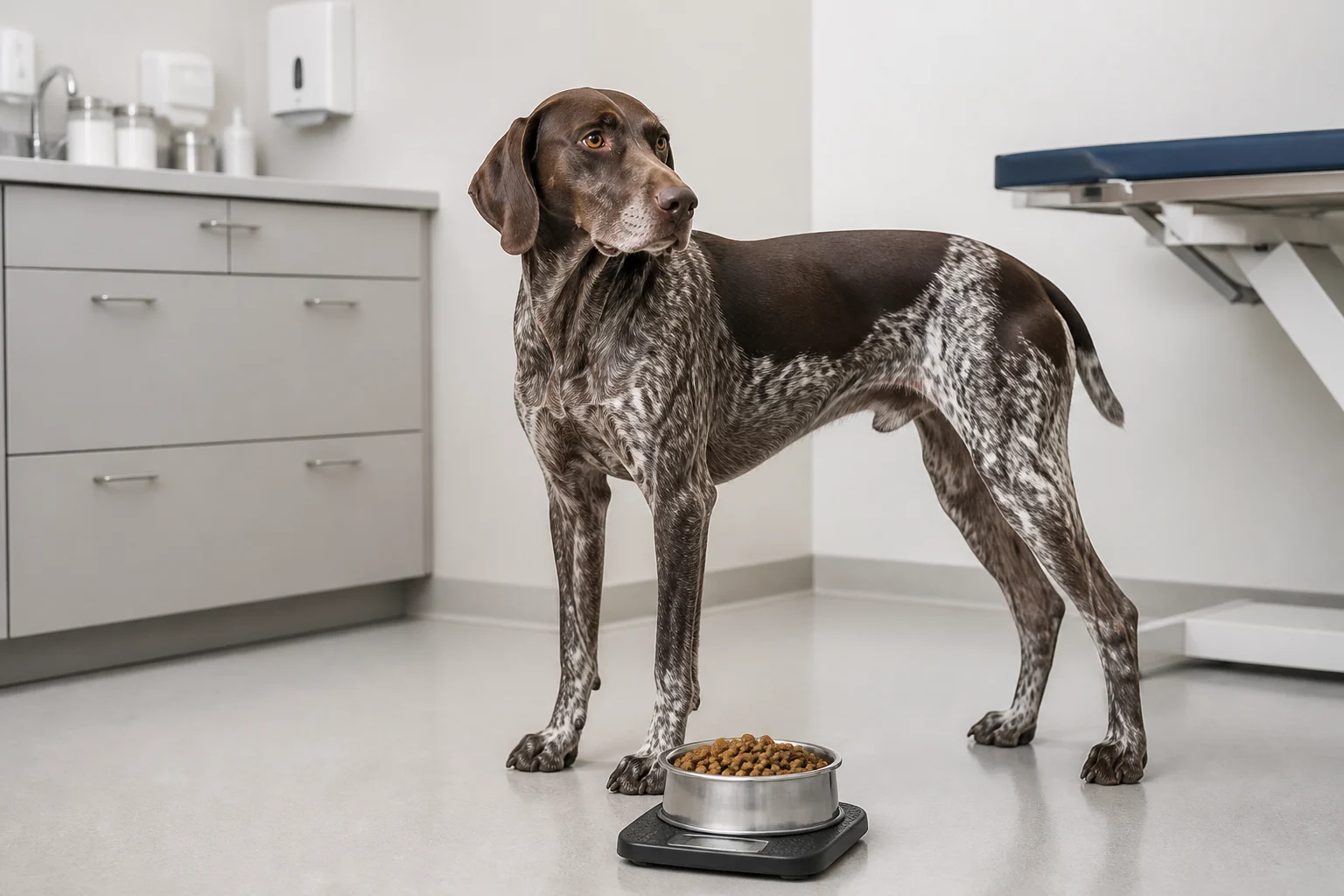
Regular activity, combined with appropriate nutrition, supports healthy weight and muscle maintenance.
Joint & Muscle Health
Appropriate conditioning helps maintain muscle strength, coordination, flexibility and comfortable movement.
Emotional Well-being
Meaningful activities provide enrichment and may help reduce boredom-related frustration.
Improved Engagement
Structured exercise combined with positive training encourages attention and cooperation.
Stronger Companionship
Shared adventures create opportunities to build trust, communication and a stronger relationship with your dog.
Exercise Requirements by Age
Exercise requirements change considerably throughout a German Shorthaired Pointer's lifetime. Developing puppies should not follow the same exercise programme as physically mature sporting dogs.
| Age Group | Activity Approach | Suitable Activities |
|---|---|---|
| 8–12 Weeks | Brief, self-paced sessions with frequent rest. | Gentle play, safe exploration and socialization. |
| 3–6 Months | Short, varied activities without forced endurance. | Gentle walks, scent games and basic training. |
| 6–12 Months | Gradually increasing age-appropriate activity. | Controlled walks, retrieval and coordination games. |
| 12–18 Months | Progressive conditioning based on maturity. | Longer walks and supervised outdoor activities. |
| Mature Adults | Often 60–120 minutes daily, adjusted individually. | Hiking, running, swimming and sporting activities. |
| Senior Dogs | Flexible, lower-impact activity based on health. | Gentle walks, sniffing and controlled swimming when appropriate. |
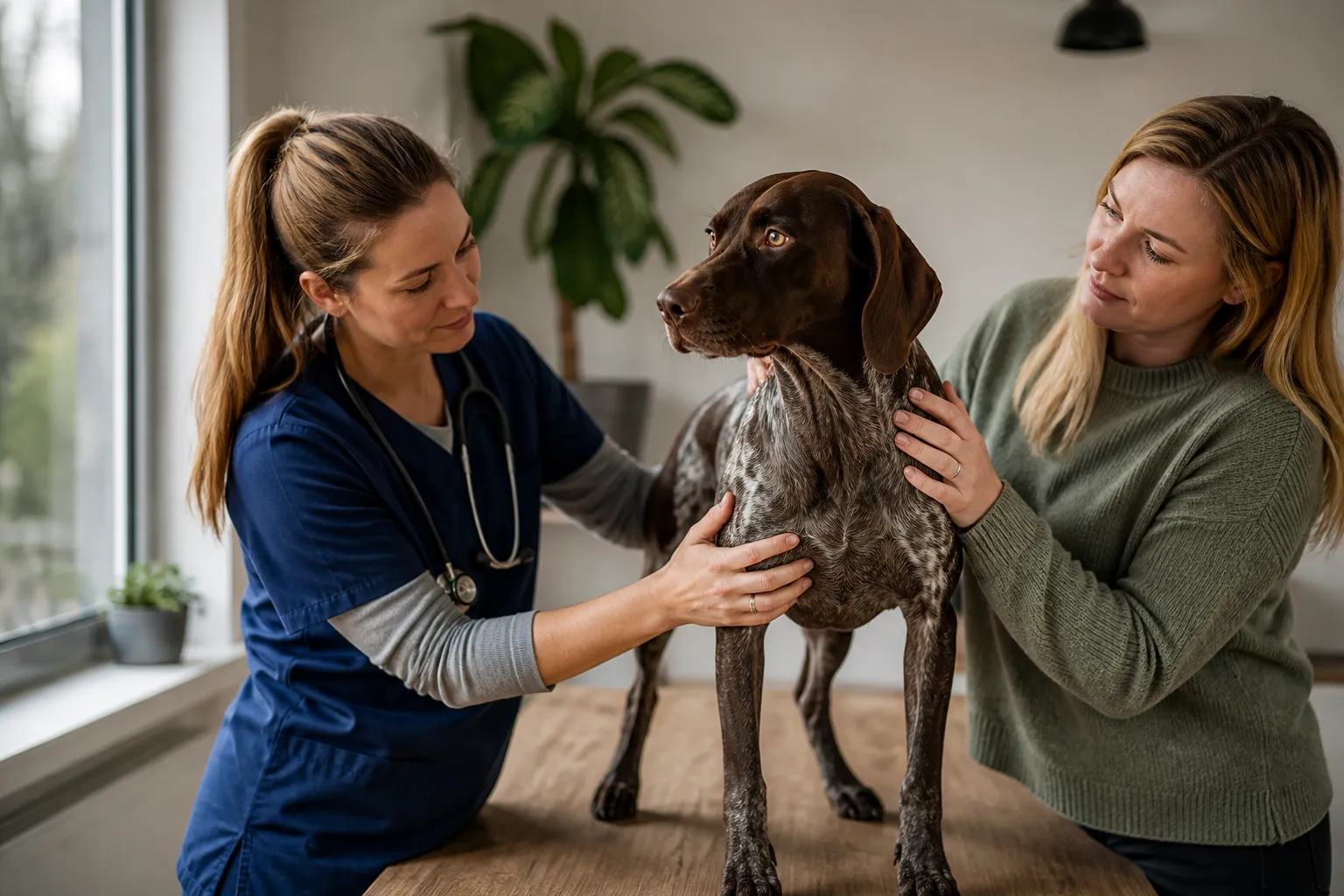
There is no single scientifically established exercise duration suitable for every puppy of a particular age. Observe your dog's comfort, allow voluntary rest and consult your veterinarian before introducing sustained running or high-impact sports.
A Balanced Daily Exercise Routine
German Shorthaired Pointers often respond well to predictable daily routines. The following example provides a balanced schedule for a healthy, conditioned adult GSP, with activities adjusted to weather, fitness and individual needs.
Morning Walk & Exploration
Begin the day with approximately 30–40 minutes of comfortable walking, sniffing and short training activities. Allow the dog to warm up gradually.
Mental Enrichment
Provide a short session of scent games, puzzle toys or reward-based obedience exercises.
Rest & Light Activity
Encourage relaxation, comfortable rest and a brief toilet or sniffing break where appropriate.
Main Physical Activity
Enjoy approximately 30–50 minutes of suitable outdoor activity, such as walking, controlled retrieving or hiking.
Relaxation & Wind Down
Finish the day with a gentle toilet walk, calm companionship and sufficient uninterrupted rest.
Schedule strenuous activities away from large meals, maintain access to drinking water and modify the routine whenever your dog displays discomfort or fatigue.
Best Exercise Activities for German Shorthaired Pointers
German Shorthaired Pointers are naturally versatile dogs capable of enjoying a wide range of recreational and sporting activities. Choose exercises that suit your dog's physical maturity, training and fitness.
Walking & Sniffing
Daily walks provide physical movement, sensory enrichment and opportunities to practice polite leash behaviour.
Running & Jogging
Healthy, physically mature and properly conditioned GSPs may enjoy running alongside their owners. Increase distance gradually following veterinary guidance.
Hiking & Nature Exploration
Woodland trails and varied landscapes offer opportunities for controlled exploration, physical conditioning and sensory engagement.
Swimming
Swimming can provide enjoyable low-impact conditioning for dogs that are comfortable in water. Always supervise and use safe swimming locations.
Controlled Fetch & Retrieving
Retrieving activities engage natural sporting instincts. Use suitable toys, moderate repetition and avoid excessive jumping or abrupt turns.
Scent Work & Tracking
Scent-based games encourage dogs to use their natural searching abilities while developing focus and problem-solving skills.
Canine Agility
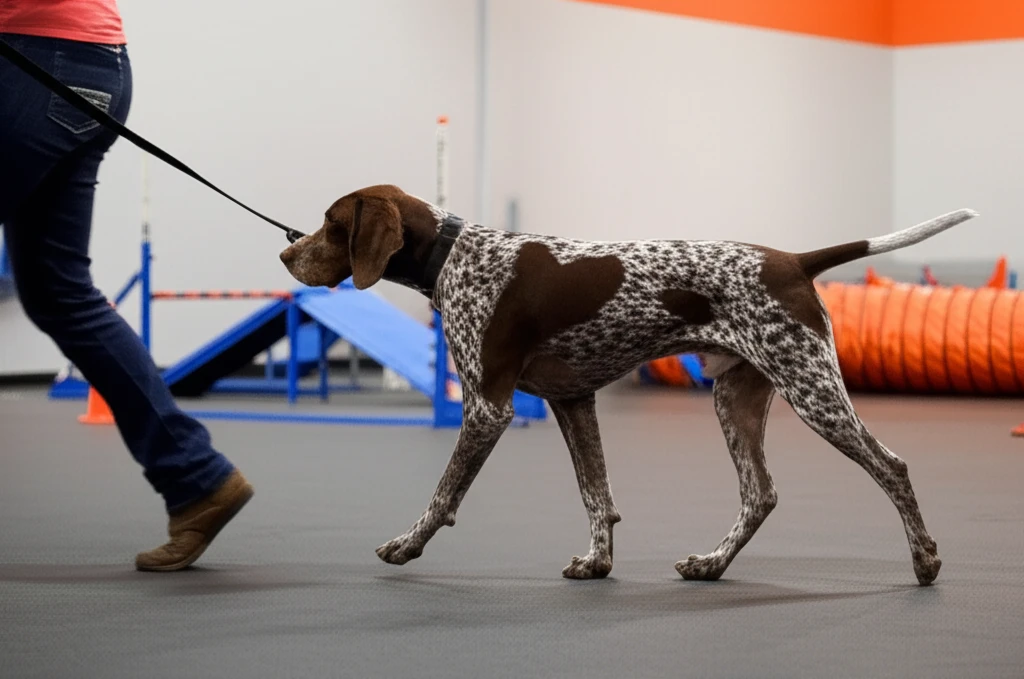
Structured agility training can support coordination, communication and fitness in physically mature dogs under appropriate instruction.
Field Activities & Sporting Training
Supervised field work, pointing exercises and structured sporting activities can provide meaningful outlets for the breed's working heritage and natural abilities.
Mental Stimulation & Cognitive Exercise
Physical activity alone does not address every need of an intelligent sporting dog. German Shorthaired Pointers benefit from opportunities to think, investigate, learn and solve problems throughout the day.
Hide-and-Seek
Hide a suitable toy or small food reward in a safe area and encourage your dog to locate it. Gradually increase difficulty.
Interactive Puzzle Toys
Use supervised food puzzles designed for dogs to encourage problem-solving and independent engagement.
Obedience Practice
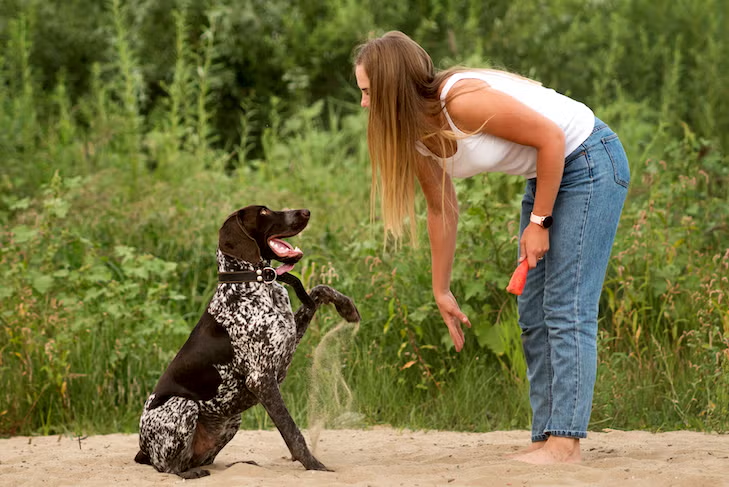
Practice recall, waiting, settling, leash manners and other useful behaviours through short reward-based sessions.
Scent Discovery Games
Introduce familiar scents and encourage your GSP to investigate safe hiding locations using its natural sense of smell.
Snuffle Mats
Scatter part of your dog's normal food allowance within a supervised snuffle mat to encourage natural foraging.
Learning New Skills
Teach simple tricks, object recognition and useful household behaviours through positive reinforcement.
Discover additional techniques in our German Shorthaired Pointer Training Guide .
Exercising German Shorthaired Pointer Puppies
German Shorthaired Pointer puppies are naturally curious, playful and energetic. However, their developing bones, joints, muscles and coordination require a different approach to physical activity than that of mature adult dogs.
Puppy exercise should emphasize voluntary movement, safe exploration, gentle play, positive socialization and plenty of opportunities to rest.
Recommended Puppy Activities
- Short, comfortable walks on suitable surfaces.
- Gentle supervised play in secure environments.
- Age-appropriate scent and discovery games.
- Positive introductions to unfamiliar surroundings.
- Short recall and basic obedience sessions.
- Self-paced interaction with suitable playmates.
- Plenty of uninterrupted sleep and recovery time.
Activities to Avoid During Development
- Forced long-distance running.
- Repeated jumping from elevated surfaces.
- Intensive adult sporting activities.
- Excessive repetitive ball chasing.
- Running alongside bicycles before physical maturity.
- Exercise that continues despite obvious fatigue.
Consult your veterinarian about physical maturity and appropriate conditioning before introducing high-impact activities or sustained endurance training.
Safe Socialization & Exercise
Puppies benefit from positive experiences with people, environments and appropriate animals. Discuss local infectious disease risks and vaccination status with your veterinarian to develop a safe socialization and outdoor activity plan.
Exercise for Senior German Shorthaired Pointers
Older German Shorthaired Pointers may continue to enjoy outdoor adventures, although their endurance, mobility and recovery requirements can change with age.
Rather than eliminating exercise entirely, adapt physical activity to maintain comfort, mobility and engagement.
Gentle Walking
Choose manageable routes and allow your senior dog to establish a comfortable walking pace.
Low-Impact Activities
Controlled movement on comfortable surfaces may help maintain mobility without unnecessary joint stress.
Frequent Rest Breaks
Shorter activity sessions may be better tolerated than prolonged or demanding exercise.
Mental Enrichment
Gentle scent work, familiar training activities and exploration can support continued engagement.
Persistent stiffness, limping, reluctance to walk or unusual fatigue should not automatically be attributed to aging. Discuss these changes with your veterinarian.
Indoor Exercise for German Shorthaired Pointers
Extreme temperatures, heavy rain, unsafe outdoor conditions or temporary activity restrictions may make outdoor exercise difficult. Indoor enrichment provides useful alternatives during these periods.
Indoor Scent Trails
Create simple scent trails using suitable rewards in safe areas of your home.
Gentle Tug Games
Use a suitable toy and practice controlled tugging with release cues and regular breaks.
Training Sessions
Practice useful behaviours and reward calm cooperation in short, engaging sessions.
Object Search Games
Hide familiar toys around a safe room and encourage your dog to search for them.
Controlled Indoor Retrieval
Roll soft toys across a clear, non-slip floor without encouraging abrupt stops or collisions.
Relaxation Training
Reward settling on a mat, calm observation and independent relaxation between activities.
Avoid slippery floors, narrow spaces, unstable obstacles and activities that encourage uncontrolled jumping or running near furniture. Indoor games supplement rather than permanently replace suitable outdoor exercise.
Sample Weekly German Shorthaired Pointer Exercise Plan
A varied weekly programme can help prevent repetitive strain and provide a balanced combination of physical fitness, training, exploration and recovery.
The following example is intended for a healthy, conditioned adult GSP. It is not a mandatory exercise prescription.
| Day | Morning Activity | Evening Activity |
|---|---|---|
| Monday | 35-minute brisk walk | 35-minute walk and controlled fetch |
| Tuesday | 30-minute exploratory walk | 40-minute nature walk |
| Wednesday | 35-minute walk | 30-minute walk and scent games |
| Thursday | 30-minute walk | 40-minute mixed walk and controlled jog |
| Friday | 35-minute walk | 35-minute walk and retrieving |
| Saturday | 60-minute comfortable hike | 20-minute gentle walk |
| Sunday | 30-minute relaxed walk | 30-minute gentle exploration |
Add short mental enrichment sessions, regular toilet breaks and sufficient recovery time throughout each day. Reduce the duration or intensity whenever your dog's condition requires it.
Outdoor Exercise Safety
German Shorthaired Pointers are enthusiastic explorers with strong sporting instincts. Safe outdoor activity requires preparation, appropriate supervision and reliable management.
Essential Outdoor Safety Practices
- Use a secure collar or well-fitted harness.
- Maintain reliable identification and microchip information.
- Use a leash or long training line in unsecured areas.
- Provide access to clean drinking water.
- Choose surfaces that support comfortable movement.
- Keep your dog away from hazardous wildlife and traffic.
- Check paws, ears and skin after outdoor adventures.
- Allow gradual warm-up and cool-down periods.
- Monitor breathing, movement and recovery during exercise.
- Follow local leash requirements and access restrictions.
Swimming Safety
Introduce swimming gradually and never force a reluctant dog into water. Avoid strong currents, contaminated water, harmful algal blooms and locations without safe entry and exit points.
Consider a properly fitted canine flotation device where appropriate, particularly around boats or deeper water. Supervise swimming continuously and provide frequent breaks.
Off-Leash Exercise & Prey Drive
German Shorthaired Pointers may instinctively pursue wildlife, birds and moving objects. Even well-trained dogs can become distracted by their surroundings.
Off-leash activity should take place only where legally permitted and where the environment, recall training and individual dog make it safe. Secure enclosed areas are generally preferable when reliability is uncertain.
Exercise Around Feeding Times
As a deep-chested breed, the German Shorthaired Pointer can be susceptible to gastric dilatation-volvulus, commonly known as GDV or bloat.
Avoid scheduling vigorous exercise immediately before or after large meals. Discuss suitable feeding intervals and individual GDV risk with your veterinarian. Do not restrict necessary drinking water.
Learn more in our German Shorthaired Pointer Health Guide .
Seasonal Exercise & Weather Considerations
Exercise routines should reflect temperature, humidity, ground conditions, wind and your dog's individual ability to tolerate changing weather.
Spring Exercise
Gradually rebuild fitness after periods of reduced activity. Inspect the coat and paws for ticks, vegetation and grass seeds following outdoor adventures.
Summer Exercise
Exercise during cooler parts of the day. Provide shade, water and frequent breaks. Avoid strenuous activities during hot or humid conditions.
Autumn Exercise
Enjoy comfortable outdoor temperatures while remaining alert to changing trail conditions, reduced daylight and seasonal hazards.
Winter Exercise
Adapt activity to cold temperatures and wind exposure. Consider suitable protective clothing when necessary and inspect paws for ice and road salt.
Recognizing Heatstroke
Heatstroke is a potentially fatal veterinary emergency. Warning signs include excessive panting, heavy drooling, weakness, vomiting, confusion, difficulty breathing and collapse.
Stop exercising immediately, move your dog to a cooler area, begin active cooling with cool water and airflow, and arrange emergency veterinary treatment without delay. Do not wrap the dog in wet towels.
Signs of Insufficient & Excessive Exercise
Understanding your dog's behaviour and physical condition can help you identify whether its activity routine requires adjustment.
Possible Signs of Insufficient Enrichment
- Persistent restlessness.
- Boredom-related destructive behaviour.
- Difficulty settling.
- Excessive attention-seeking.
- Unhealthy weight gain.
- Reduced engagement with daily routines.
Possible Signs of Excessive Exercise
- Reluctance to continue walking.
- Unusual or persistent fatigue.
- Limping or stiffness.
- Damaged or painful paw pads.
- Excessive panting.
- Difficulty recovering after activity.
Restlessness, destructive behaviour and difficulty settling can also result from anxiety, inadequate sleep, medical conditions or unmet training needs. Increasing physical exercise is not always the appropriate solution.
When to Stop Exercising
Stop physical activity if your dog experiences pain, limping, unusual breathing difficulties or significant fatigue. Seek veterinary assessment for persistent symptoms and immediate emergency care for collapse, severe breathing difficulty or suspected heatstroke.
Interactive Daily Exercise Checklist
Use this interactive checklist to help maintain a balanced daily routine for your German Shorthaired Pointer. Adapt each activity to your dog's individual health, age and fitness.
Frequently Asked Exercise Questions
How much exercise does a German Shorthaired Pointer need daily?
Many healthy adult GSPs benefit from approximately 60 to 120 minutes of varied daily activity, together with mental enrichment. Individual requirements depend on fitness, health and lifestyle.
Are German Shorthaired Pointers high-energy dogs?
Yes. German Shorthaired Pointers are energetic sporting dogs that generally require substantial daily activity, engagement and companionship.
Can German Shorthaired Pointers be running companions?
Healthy, mature and properly conditioned GSPs can make excellent running companions. Obtain veterinary clearance and increase distance gradually.
At what age can a GSP puppy start jogging?
Sustained jogging should generally wait until physical maturity and veterinary clearance. This may occur around 12 to 18 months or later, depending on the individual dog.
Do German Shorthaired Pointers enjoy swimming?
Many German Shorthaired Pointers enjoy water activities, reflecting their sporting heritage. Individual preferences vary, so swimming should be introduced gradually and supervised.
Can a German Shorthaired Pointer live in an apartment?
Apartment living may be possible for some GSPs when their substantial exercise, training, companionship and enrichment requirements are consistently met.
Is a fenced backyard enough exercise for a GSP?
A secure backyard is useful but does not automatically provide sufficient activity or enrichment. Structured exercise, exploration and interaction remain important.
How often should I walk my German Shorthaired Pointer?
Many adult GSPs benefit from substantial morning and evening activity sessions, with additional toilet breaks and enrichment throughout the day.
What happens if a German Shorthaired Pointer does not get enough exercise?
Insufficient activity and enrichment may contribute to boredom, weight gain, frustration and unwanted behaviours. Other medical or behavioural causes should also be considered.
Can a German Shorthaired Pointer be over-exercised?
Yes. Excessive activity may contribute to exhaustion, injuries, overheating and poor recovery. Exercise should always reflect individual fitness.
Are German Shorthaired Pointers good hiking dogs?
Many GSPs enjoy hiking and outdoor exploration. Suitable conditioning, secure management, hydration and trail safety are essential.
How much mental stimulation does a GSP need?
Provide several short opportunities for mental engagement throughout the day. Scent games, training and exploration can complement regular physical activity.
Can I exercise my German Shorthaired Pointer off-leash?
Off-leash activity requires a suitable legal environment, dependable recall and careful assessment of wildlife, traffic and other potential risks.
Do German Shorthaired Pointers need rest days?
Yes. Recovery is important, particularly after demanding activity. Lower-intensity days, comfortable walks and mental enrichment can support recovery.
Is fetch a good exercise for German Shorthaired Pointers?
Controlled retrieving can provide enjoyable activity. Avoid excessive repetition, abrupt turns, high jumps and exercise that continues despite fatigue.
Should I exercise my GSP immediately after feeding?
Avoid vigorous activity immediately around large meals. Discuss appropriate meal timing and GDV risk management with your veterinarian.
How can I exercise my GSP during bad weather?
Use supervised scent games, puzzle toys, gentle indoor play and reward-based training. Resume appropriate outdoor exercise when conditions are safe.
Do older German Shorthaired Pointers still need exercise?
Yes. Suitable activity can help maintain mobility, muscle condition and emotional well-being. Adjust intensity and duration according to individual health and comfort.
Can exercise cure separation anxiety in a GSP?
Appropriate exercise may support overall well-being, but it is not a cure for separation anxiety. A tailored behavioural programme and professional advice may be necessary.
How can I tell whether my GSP is getting appropriate exercise?
Look for comfortable movement, healthy body condition, normal recovery, appropriate engagement and the ability to relax between activities. Discuss individual fitness requirements with your veterinarian.
Trusted Exercise & Breed Resources
American Kennel Club — German Shorthaired Pointer
German Shorthaired Pointer Club of America
VCA Animal Hospitals — Healthy Exercise for Dogs
Cornell University — Summer Heat Safety for Dogs
Educational Disclaimer: This guide provides general educational information. Exercise requirements vary according to age, health, physical development and individual fitness. Consult a qualified veterinarian before introducing demanding physical activities or significantly changing your dog's routine.