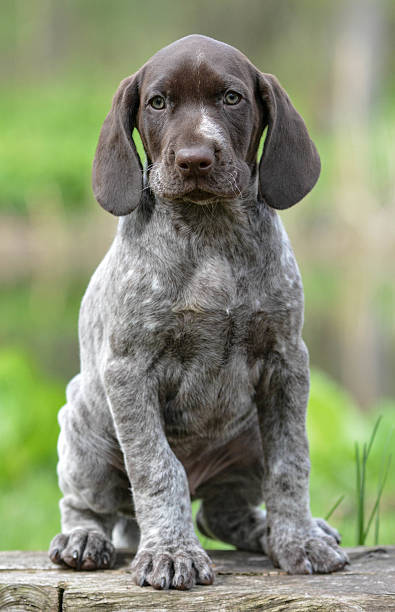
Breed Information
Understand the GSP's history, temperament, characteristics and family compatibility.
Explore Breed Guide →Welcoming a German Shorthaired Pointer into your family is an exciting and meaningful decision. We understand that prospective puppy owners have many questions about the breed, its care requirements and the journey toward responsible dog ownership.
Explore our comprehensive collection of frequently asked questions to find helpful answers and make informed decisions with confidence.
Try a different search term or contact us for additional assistance.
Learn about the German Shorthaired Pointer's origins, characteristics, temperament and suitability as a family companion.
The German Shorthaired Pointer, commonly known as the GSP, is a versatile sporting dog originating in Germany. The breed was developed for pointing, tracking and retrieving and is admired for its intelligence, athleticism, affectionate nature and enthusiasm for outdoor activities.
Yes. German Shorthaired Pointers can make wonderful companions for active families that provide sufficient exercise, training, mental stimulation and companionship. Their enthusiastic personalities are particularly well suited to households that enjoy an active lifestyle.
Adult male German Shorthaired Pointers generally stand 23–25 inches tall and weigh approximately 55–70 pounds. Females generally stand 21–23 inches tall and weigh approximately 45–60 pounds. Individual size varies according to genetics, development and body condition.
German Shorthaired Pointers typically have a life expectancy of approximately 10–12 years. Individual lifespan depends on genetics, nutrition, preventive veterinary care, physical activity and overall health.
German Shorthaired Pointers may have liver, black, liver and white, black and white, roan, patched or ticked coat patterns. Recognized colours vary between kennel club standards. Coat colour does not determine intelligence, temperament or overall health.
Learn more in our complete breed information guide .
Helpful information about finding a puppy, making enquiries and preparing for your new companion.
Please visit our Available Puppies page to explore current listings. You may also contact us directly to confirm availability and enquire about a particular puppy or upcoming litter.
Begin by reviewing our available puppies and contacting Timber Line Pointers with your preferred puppy and information about your household. We encourage prospective owners to discuss availability, suitability, applicable reservation terms and puppy placement arrangements before making a financial commitment.
Puppy pricing may vary according to individual listings and applicable placement arrangements. Please review the Available Puppies page or contact us for current pricing, what is included and any additional applicable costs.
All financial terms should be confirmed in writing before proceeding.
Puppies should generally remain with their mother and littermates until at least eight weeks of age. Some puppies may benefit from additional developmental time before placement. The appropriate departure date should reflect the puppy's health, maturity, veterinary assessment and applicable animal welfare requirements.
Prospective owners may express a preference for a male or female puppy, subject to availability. However, temperament, activity level, confidence and compatibility with your household should also be considered when selecting your future companion.
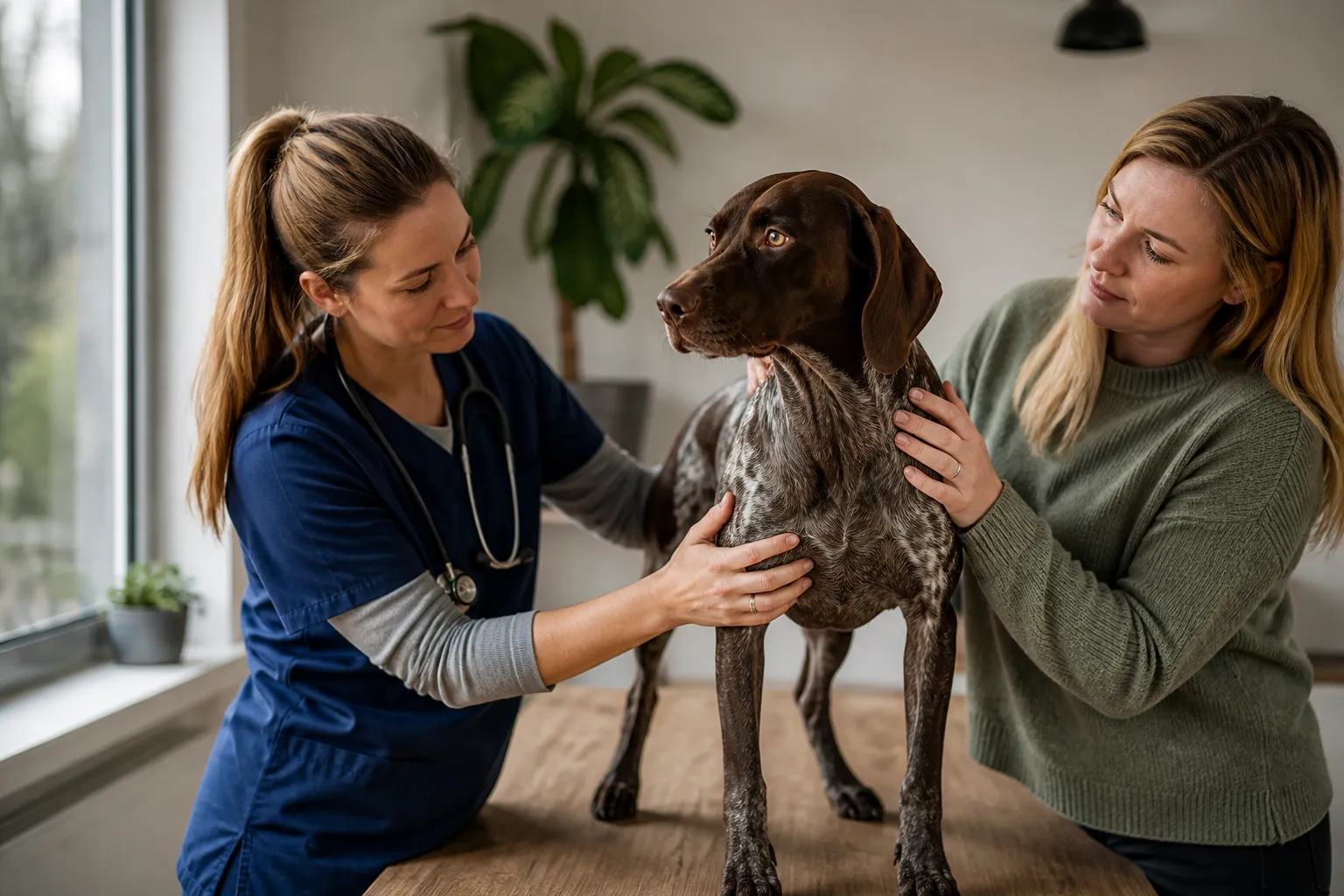
Understand preventive healthcare, breed-specific health considerations and responsible puppy ownership.
German Shorthaired Pointers are generally athletic and robust dogs, but like all breeds, they may develop inherited or acquired health conditions. Appropriate parental health screening, balanced nutrition and regular veterinary care are important components of responsible ownership.
Potential health concerns include hip and elbow dysplasia, inherited eye conditions, cardiac abnormalities, epilepsy, allergies and gastric dilatation-volvulus (GDV). Not every GSP will develop these conditions, and individual risks vary.
Explore our Health & Wellness Guide for detailed information.
Important breed-specific health evaluations include hip and elbow assessments, eye examinations, cardiac evaluations and DNA testing for cone degeneration. Additional screening may be recommended based on family history and veterinary guidance.
Prospective owners should request documented results and verify available records independently.
Puppies require age-appropriate vaccinations, veterinary examinations and parasite management. Before placement, prospective owners should confirm the specific healthcare procedures completed for their chosen puppy and request the corresponding veterinary records.
Your veterinarian should review these records and establish the remaining preventive care schedule.
Please contact Timber Line Pointers to obtain written information about any applicable puppy health guarantee, its duration, coverage, exclusions and veterinary examination requirements. Review all applicable terms before completing a puppy placement.
No health guarantee can eliminate every potential future medical condition.
Discover practical answers about obedience, intelligence, socialization and everyday behaviour.
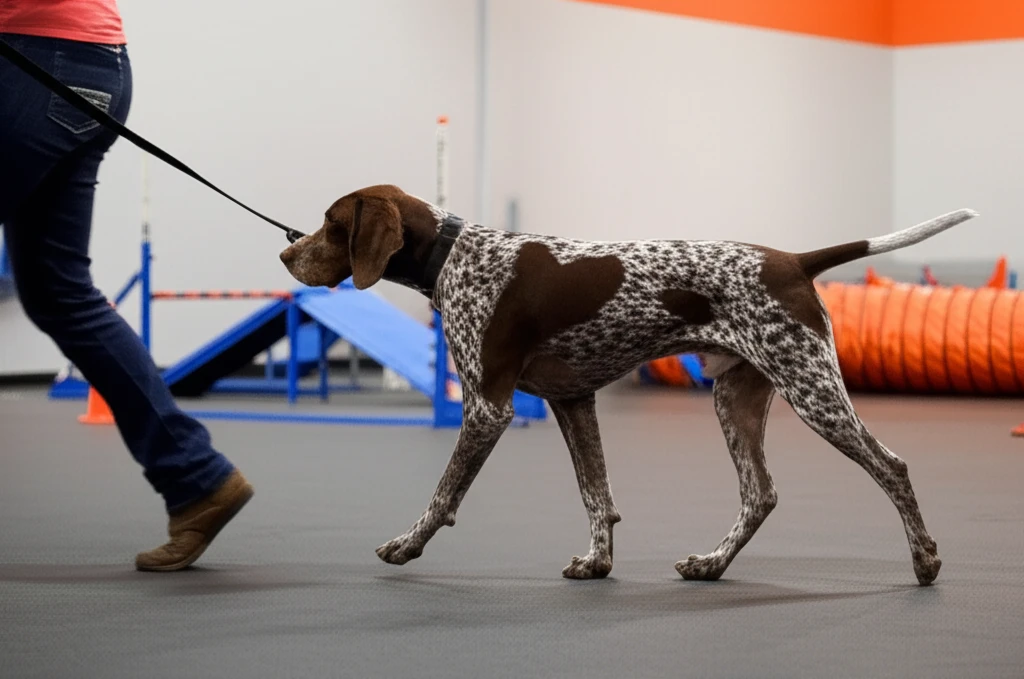
German Shorthaired Pointers are intelligent and often responsive to training. Their energy, curiosity and natural sporting instincts require patience, consistency and engaging reward-based techniques. Regular short training sessions are generally more effective than prolonged, repetitive exercises.
Gentle foundation training can begin during early puppyhood. From approximately eight weeks of age, families can introduce name recognition, house training, basic obedience, gentle handling and positive socialization through short, enjoyable experiences.
Many GSP puppies respond well to consistent house training. Establish regular toilet breaks, supervise indoor activities and reward appropriate elimination. Progress varies between puppies, and accidents are a normal part of early development.
German Shorthaired Pointers often form strong bonds with their owners. Some may experience separation-related distress when left alone for extended periods. Gradual independence training, appropriate enrichment and predictable routines may help build confidence. Persistent anxiety requires professional behavioural assessment.
Many GSPs can develop reliable recall through consistent reward-based training. However, their natural prey drive makes secure management essential. Off-leash activity should occur only where legally permitted and where environmental conditions make it reasonably safe.
Learn more in our Training & Obedience Guide.
Find out whether the German Shorthaired Pointer's active lifestyle is compatible with your household.
Many healthy adult GSPs benefit from approximately 60–120 minutes or more of varied daily physical activity, accompanied by mental enrichment. Individual requirements depend on age, physical condition, lifestyle and health. Puppies and senior dogs require adjusted routines.
Apartment living may be possible for suitable individuals when their substantial exercise, training, enrichment and companionship requirements are consistently met. A secure garden is helpful but does not replace structured daily activity.
Many German Shorthaired Pointers enjoy spending time with children and can become affectionate family companions. Because of their athletic size and enthusiastic nature, interactions with young children should always be supervised by a responsible adult.
Some GSPs live successfully with other dogs and household animals. However, strong natural prey drive can create challenges around cats and smaller pets. Individual temperament, gradual introductions and appropriate supervision are essential.
Healthy, physically mature and properly conditioned German Shorthaired Pointers can make excellent running and hiking companions. Increase activity gradually and provide appropriate hydration, rest and outdoor safety management.
Visit our Exercise & Fitness Guide for suitable activities and age-specific exercise advice.
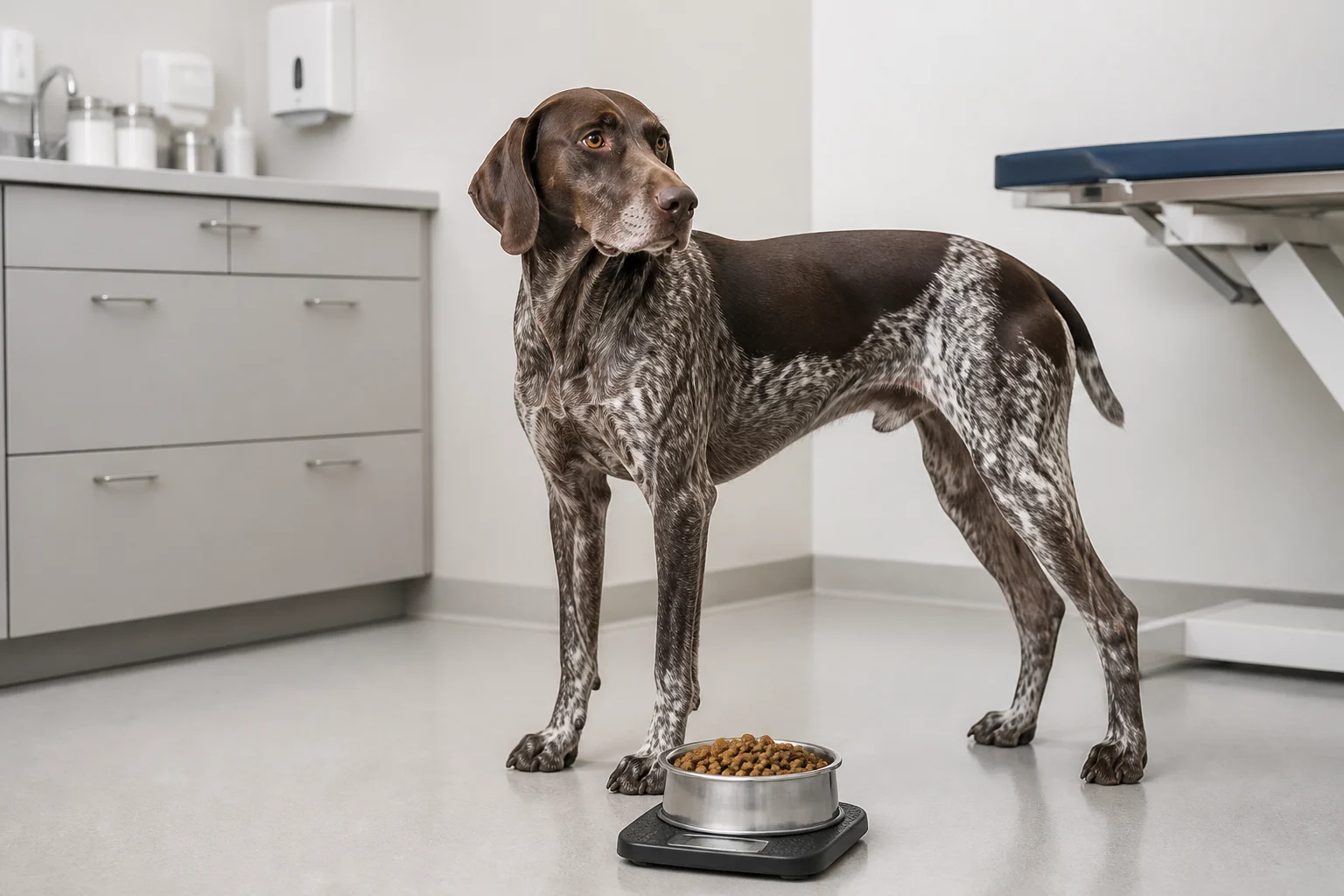
Understand healthy feeding routines, food selection and appropriate nutrition throughout your dog's lifetime.
The best food is a nutritionally complete and balanced diet appropriate for your dog's life stage, physical activity, body condition and medical needs. Consult your veterinarian when choosing a suitable diet or making significant nutritional changes.
Young GSP puppies generally benefit from three to four small meals daily. Meal frequency can gradually decrease as the puppy matures. Feeding quantities should follow the selected food's nutritional guidance and veterinary recommendations.
Two measured meals per day are suitable for many healthy adult German Shorthaired Pointers. Some individuals may benefit from smaller, more frequent meals depending on their activity and medical requirements. Fresh drinking water should always be available.
Dogs should not consume chocolate, grapes, raisins, xylitol, onions, garlic, alcohol, caffeine, macadamia nuts or other toxic substances. Cooked bones may also cause serious injuries.
If you suspect your dog has consumed a toxic substance, contact a veterinarian or animal poison control service immediately.
Avoid vigorous exercise immediately around large meals. German Shorthaired Pointers have a deep-chested structure and may be susceptible to gastric dilatation-volvulus. Discuss appropriate feeding and exercise timing with your veterinarian. No feeding routine completely eliminates the risk of GDV.
Read our Nutrition & Feeding Guide for additional information.
Learn how to maintain your German Shorthaired Pointer's distinctive coat, hygiene and everyday comfort.
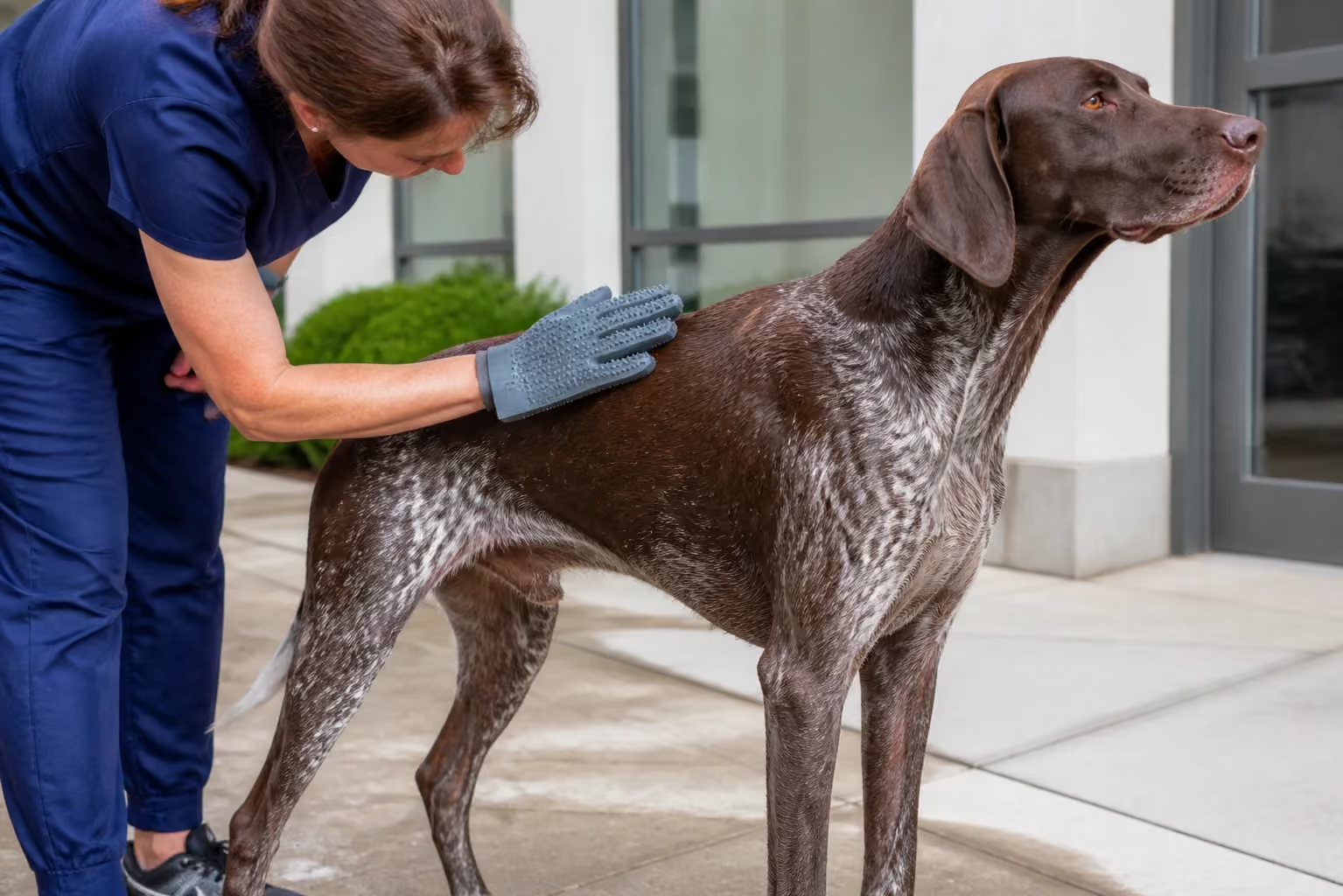
Yes. Despite having short coats, German Shorthaired Pointers shed regularly and may experience increased shedding during certain seasons. Consistent gentle brushing helps remove loose hair and maintain coat condition.
No. German Shorthaired Pointers produce dander and other allergens that can trigger reactions in sensitive individuals. Their short coat does not make them hypoallergenic.
Gentle brushing several times per week is suitable for many German Shorthaired Pointers. Routine grooming should also include ear inspections, nail maintenance, paw checks and regular dental hygiene.
Many healthy GSPs require a bath approximately every two to three months or whenever they become particularly dirty. Individual activity levels and skin conditions may require a different schedule. Use a gentle dog-specific shampoo.
No. German Shorthaired Pointers have naturally short coats that generally do not require routine haircuts or shaving. Regular brushing and occasional bathing are usually sufficient for everyday coat maintenance.
Explore our Grooming & Hygiene Guide for detailed care recommendations.
Find important information about welcoming your new puppy, placement arrangements and contacting Timber Line Pointers.
Please contact us to discuss appropriate arrangements for viewing a particular puppy. Prospective owners are encouraged to verify the puppy's identity, current condition, living environment and relevant documentation before completing a reservation.
In-person viewing or a live video appointment should be discussed according to availability and animal welfare considerations.
Please contact Timber Line Pointers to enquire about available pickup or transportation arrangements for your location. Any proposed transportation should prioritize the puppy's health, comfort, safety and applicable animal transportation requirements.
Transportation availability, costs, timing and arrangements should be confirmed in writing before payment.
Important documentation may include veterinary examination records, vaccination and parasite treatment history, microchip information where applicable, feeding instructions, written placement agreements and registration documentation if offered.
Confirm exactly which documents apply to your chosen puppy before completing the placement.
Prepare a comfortable sleeping area, suitable puppy food, food and water bowls, safe chew toys, identification equipment, a properly fitted harness or collar and a secure living environment.
Arrange a veterinary appointment, establish feeding and toilet routines and ensure your household has sufficient time for supervision, training and companionship.
You can contact Timber Line Pointers by emailing info@timberlinepointers.com or by visiting our Contact Us page.
Include your questions, preferred puppy if applicable, general location and relevant information about your household so that we can better understand your enquiry.
Important Information: These FAQs provide general breed education and guidance for prospective puppy owners. Individual dogs may have different health, nutritional and behavioural requirements. Consult a qualified veterinarian for medical concerns. Puppy availability, pricing, reservations, guarantees and placement arrangements are subject to individually confirmed written terms.
Explore our dedicated breed and care guides to prepare confidently for a rewarding life with your German Shorthaired Pointer.

Choosing a German Shorthaired Pointer is the beginning of an extraordinary journey. Whether you are exploring the breed, preparing for your first puppy or enquiring about current availability, we encourage you to reach out with your questions.
Make an informed decision and discover the companionship, intelligence and adventurous spirit that make German Shorthaired Pointers so special.